
- Main Attractions
- National Orchid Garden – 5/5
- Ginger Garden – 4/5
- Evolution Garden – 4/5
- Heliconia Walk – 4/5
- Ethnobotany Garden – 3.5/5
- Palm Valley – Symphony Lake & Stage – 3/5
- Bandstand – 3.5/5
- Heritage Garden – 4/5
- Sundial Garden 4.5/5
- Bonsai Garden – Pending
- Sun Garden – 4/5
- Frangipani Collection – 4/5
- Plant House – 3.5/5
- Healing Garden – 3/5
- Trellis Garden – 2.5/5
- Fernery – 2.5/5
- Rainforest Boardwalk – 2.5/5
- Foliage Garden – 4/5
- Swan Lake – 4/5
- Gallop Extension – 4/5
- Learning Forest – 3.5/5
- How to Get Here
- The Best Way to Visit
- BONUS Tips
- Conclusion
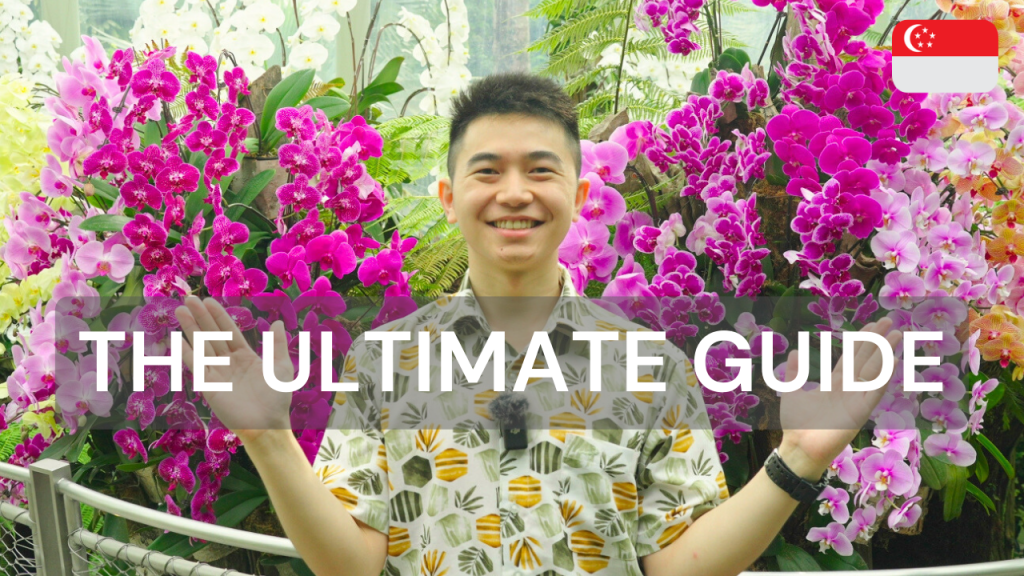
This is a blog version of my Botanical Gardens guide video on Youtube:
The Botanical Gardens in Singapore has time and again been ranked the world’s best. Since its beginnings in 1859, today it’s a UNESCO heritage site spanning 82 hectares, hosting tens of thousands of plants, many of which are rare species and one-of-a-kind hybrids. There is no other place where you can find this concentration of beautiful and rare plants!
In this post, I will be showing you
- the main attractions in the garden,
- how to get here,
- and how I’d do it if I were you.
By the end of this post, you’ll know everything you need to plan the best visit to the Botanical Gardens.
Let’s begin!
Main Attractions
National Orchid Garden – 5/5
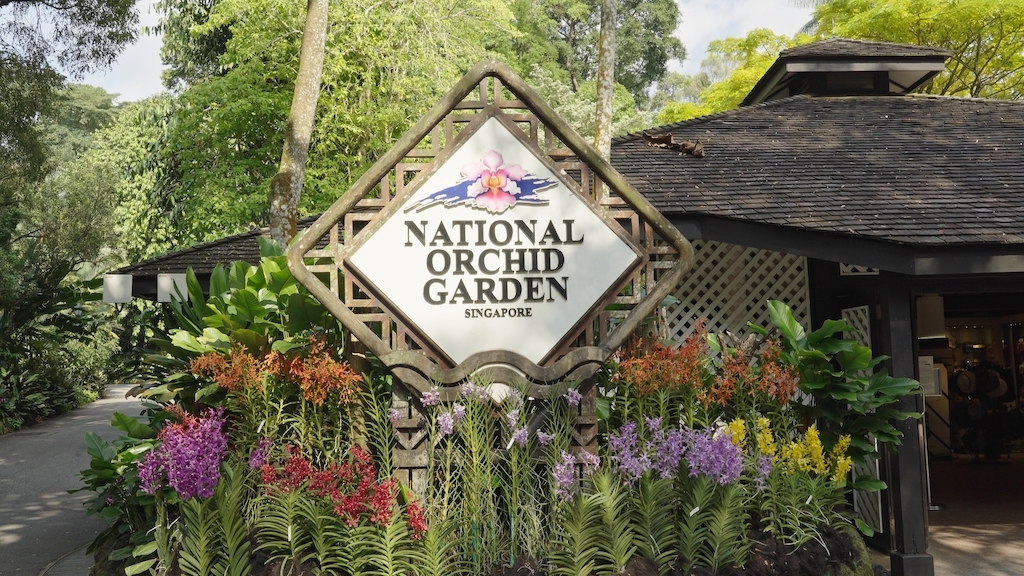
I’ll start with my favorite: The National Orchid Garden. If you like flowers like me, this is going to be a super treat. Here are the top highlights in the National Orchid Garden:
The Cool House
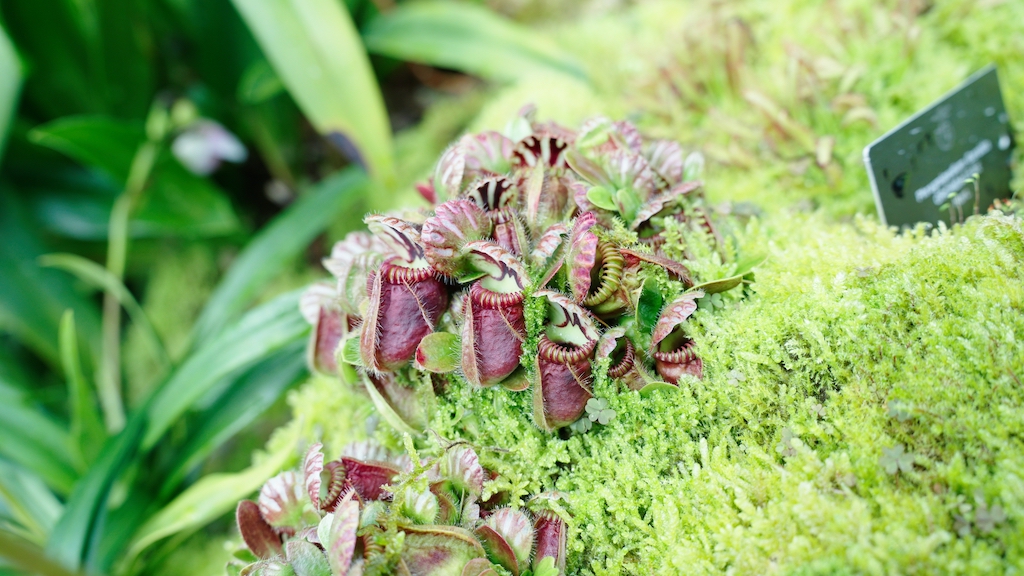
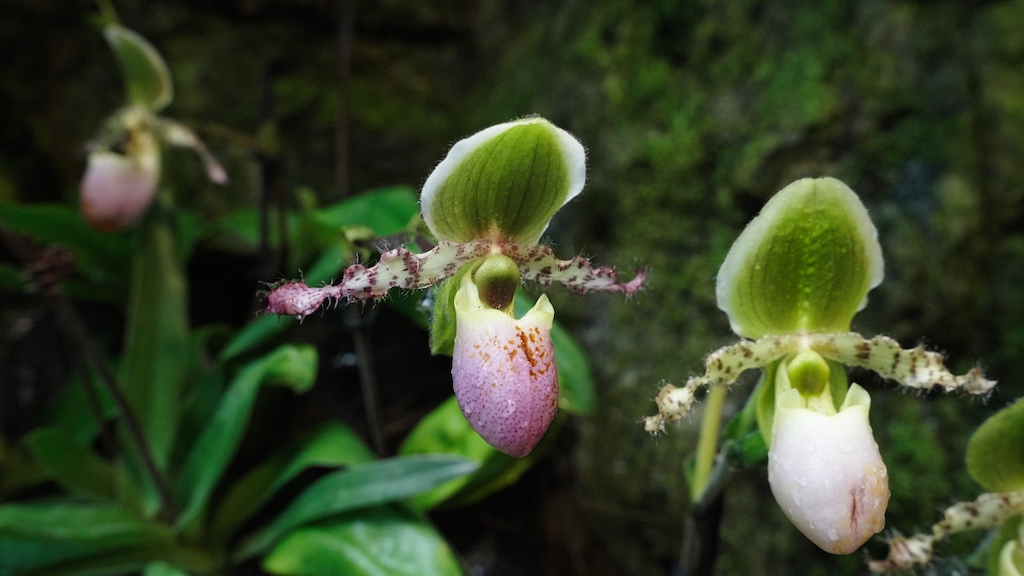
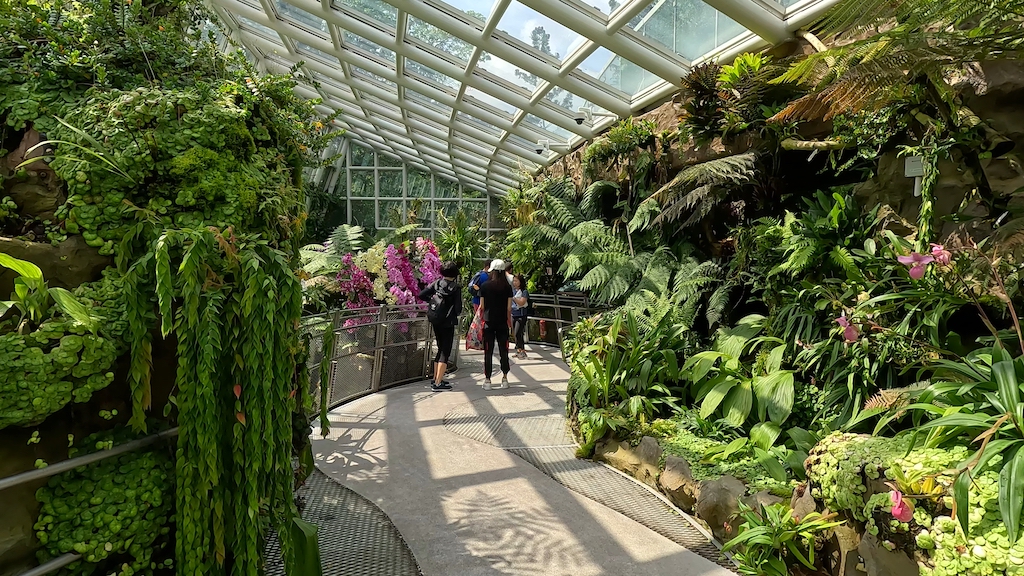
The cool house emulates the climate of a high-altitude tropical forest. You’ll be treated to a collection of rare plants only found in higher elevations. This is also a great location to escape from the heat.
The VIP Orchid Garden
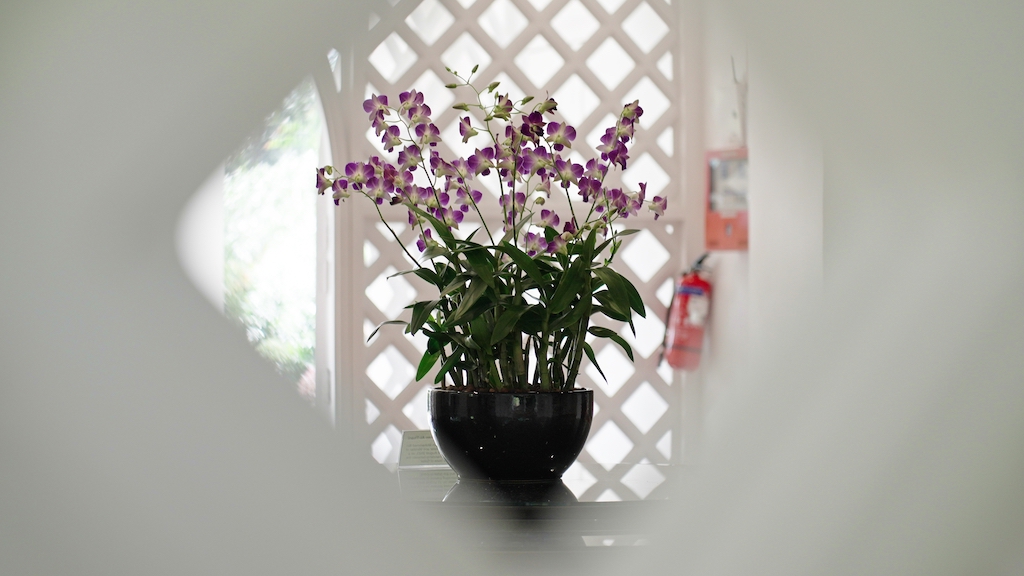
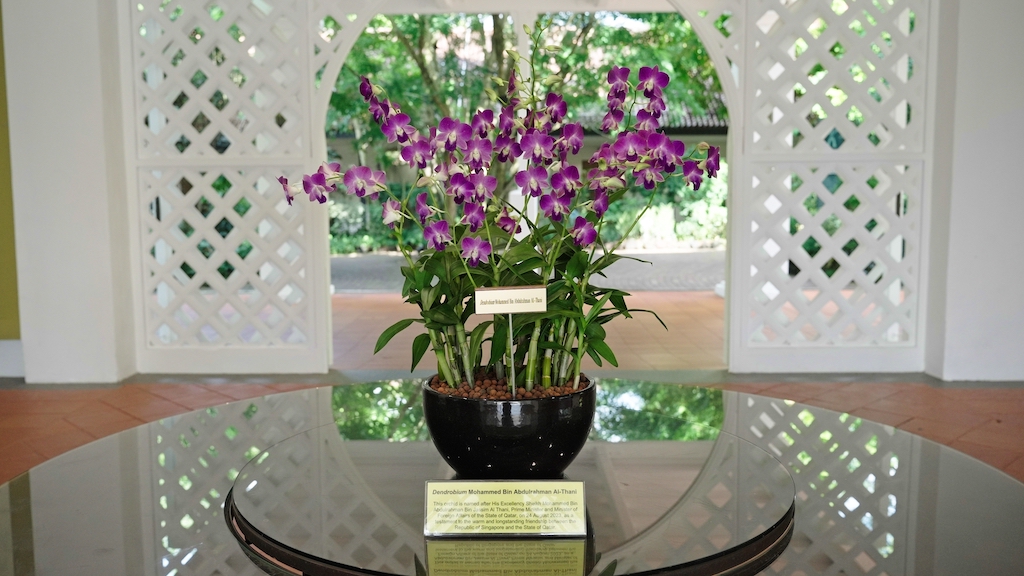
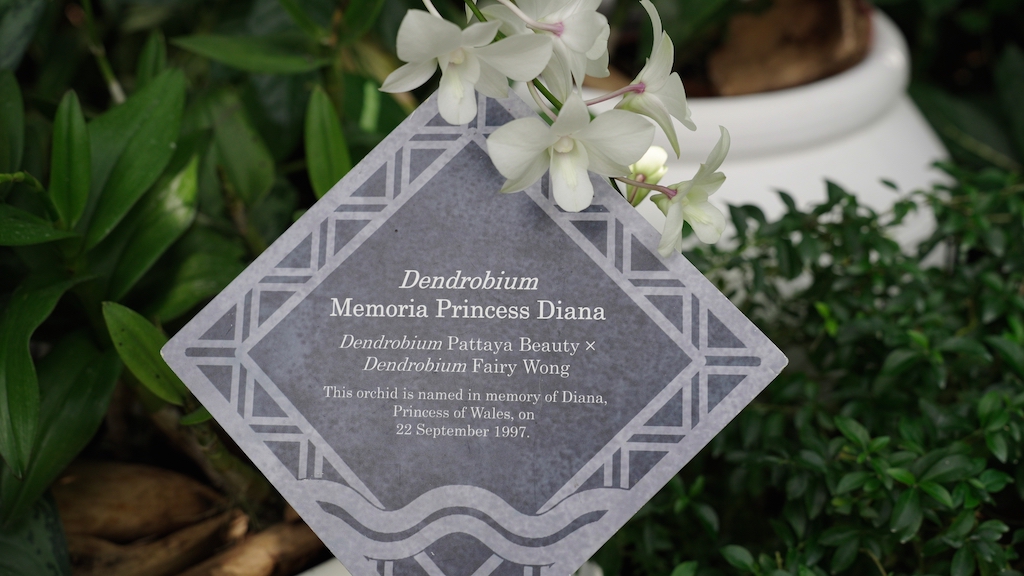
Singapore regularly breeds orchid hybrids as gifts to visiting dignitaries. In the VIP Orchid Garden, you’ll be seeing those one-of-a-kind orchids and whom they were gifted to.
The Mist House
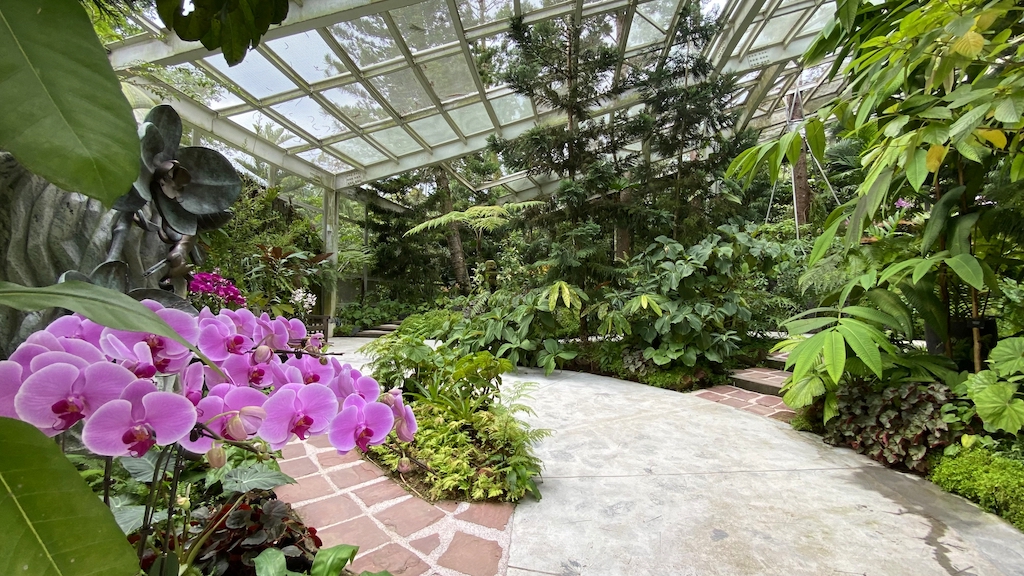
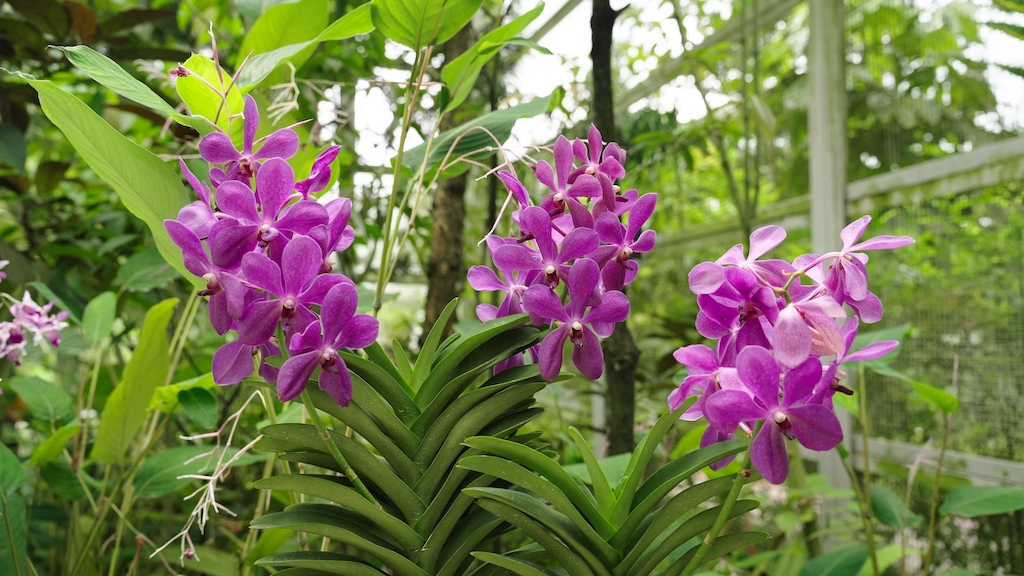
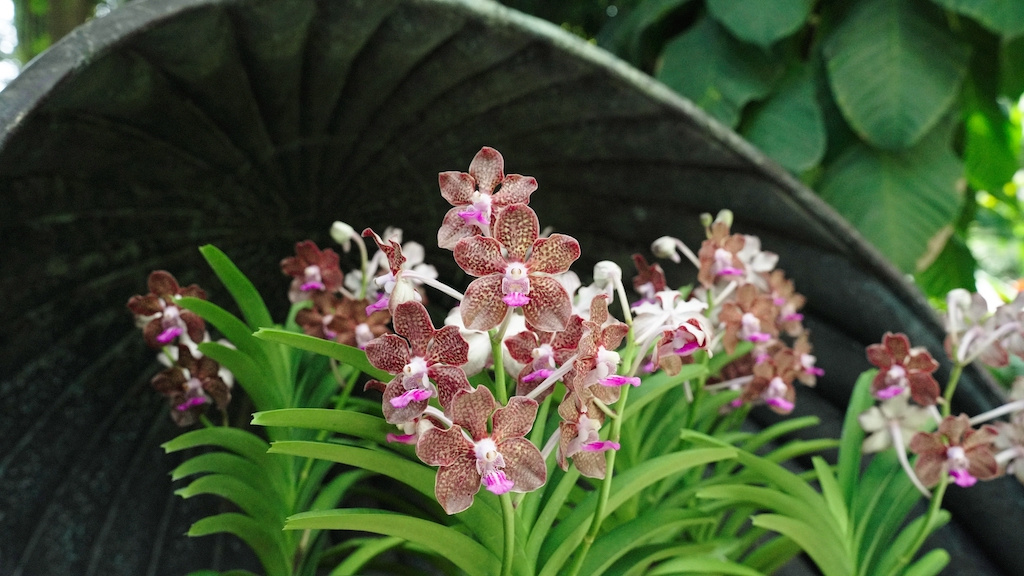

The mist house exhibits a collection of uncommon and award-winning hybrids. You can see all the best-curated flora in the mist house.
The Bromeliad Collection
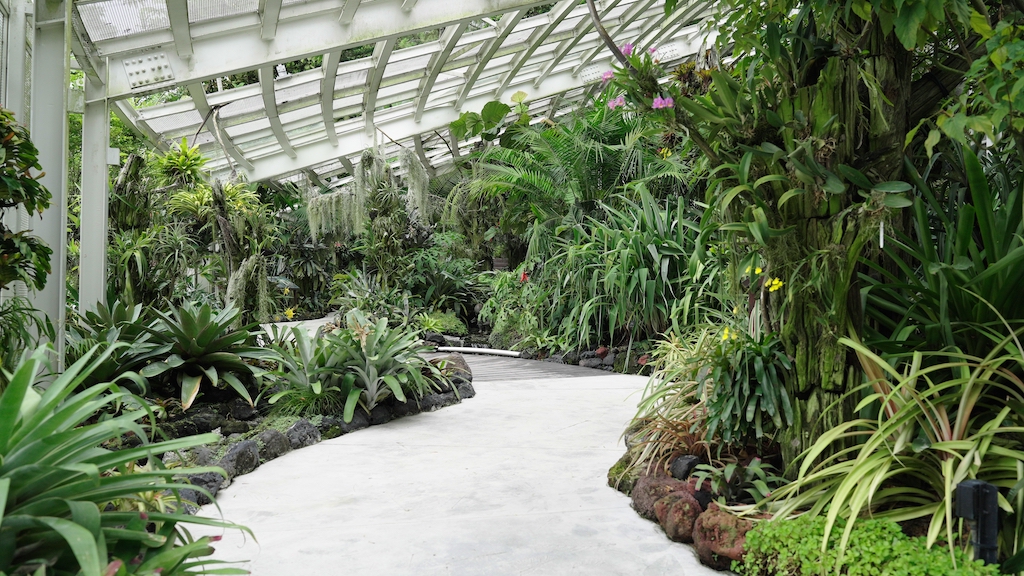
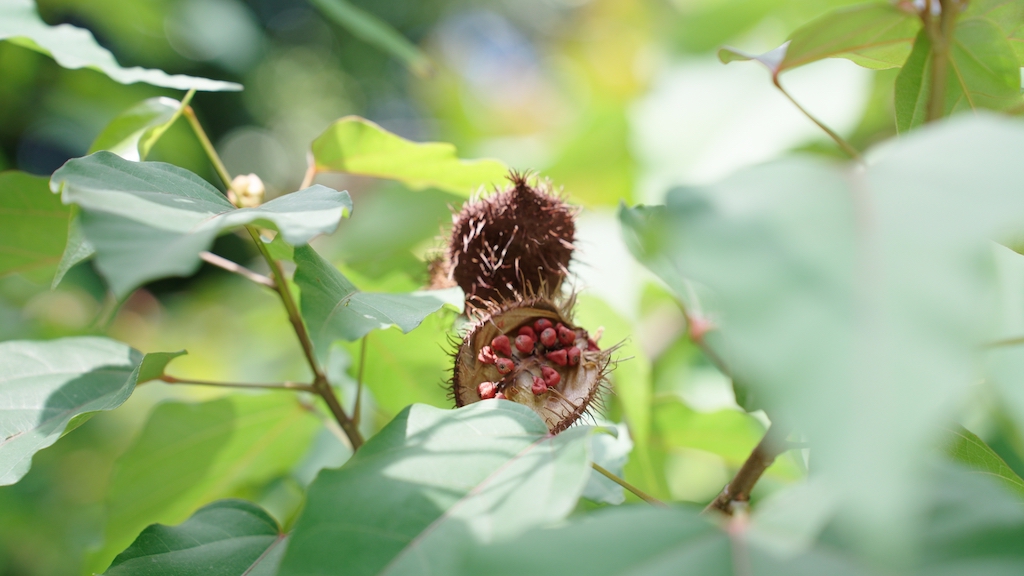
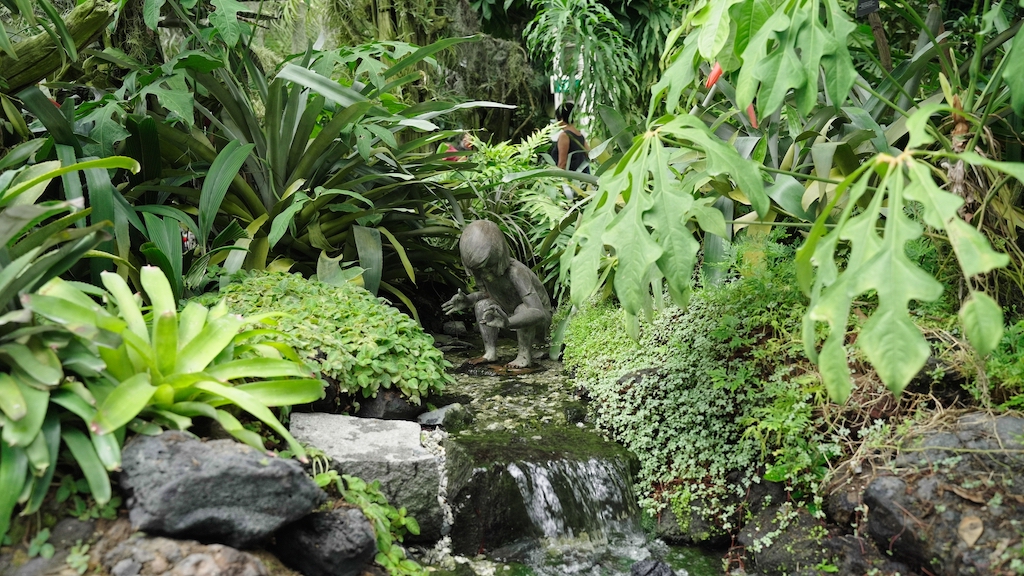
At the bromeliad collection, you’ll see many South American floras. Did you know pineapples originated from South America?
The Rest of the Orchid Garden
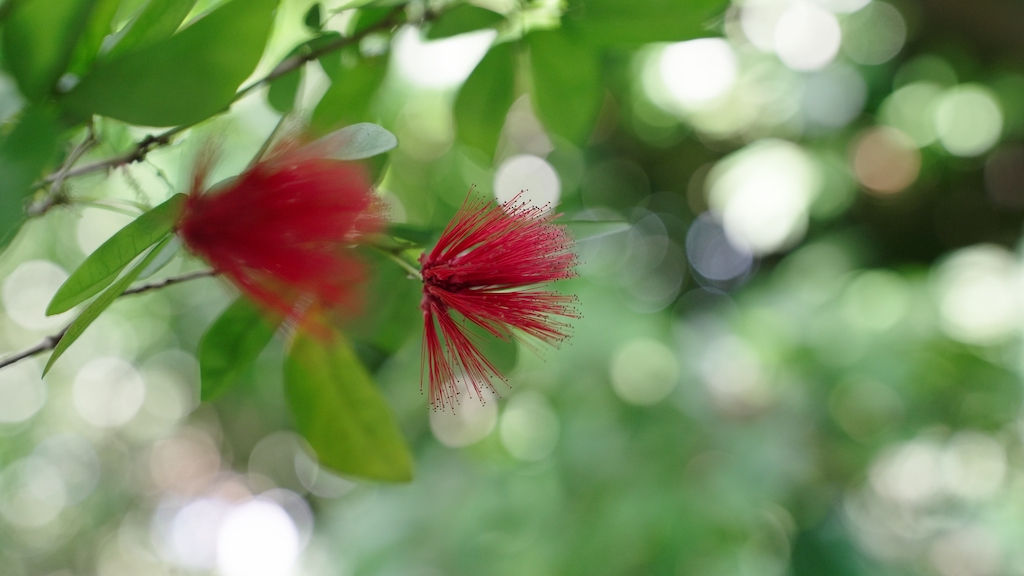
Every inch of the orchid garden is furnished with very beautiful orchids, so I recommend taking your time to walk through the whole orchid garden. Entrance into the Botanical Gardens is FREE of charge, which is UNBELIEVABLE given how massive, beautiful, and well taken care it is; but entry into the Orchid Garden is chargeable – and well worth the price. For the number of gorgeous flowers I saw, the Orchid Garden is definitely a 5/5.
Ginger Garden – 4/5
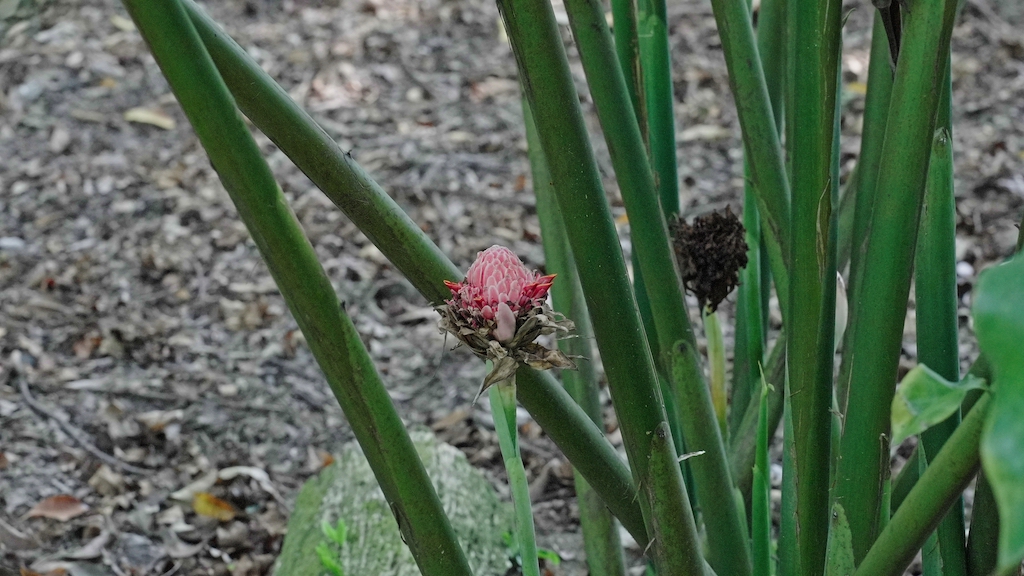

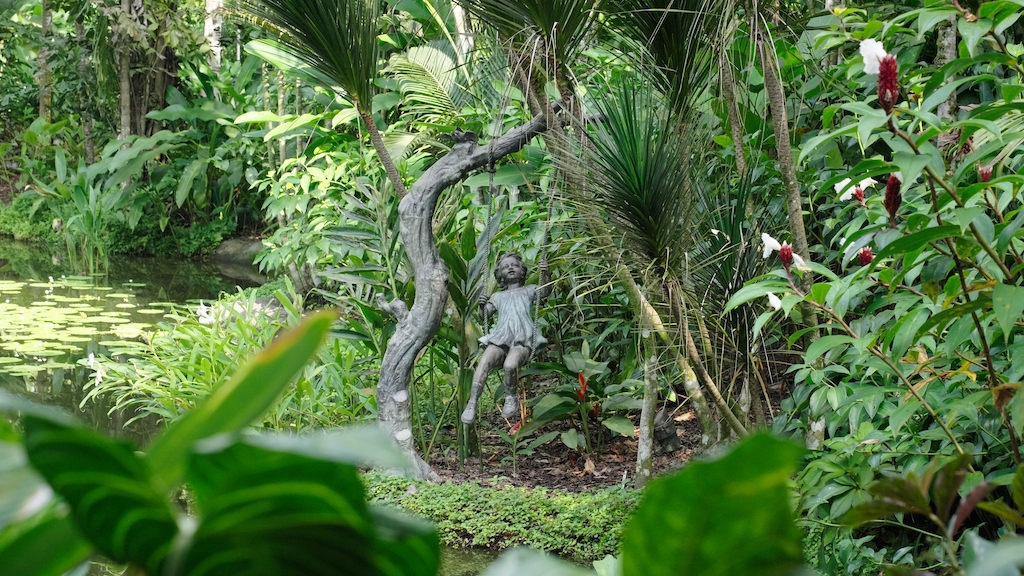
The ginger garden hosts many ginger-related plants from all over the world. For the colorful plants and aesthetic landscape, the ginger plant is a 4/5.
Evolution Garden – 4/5
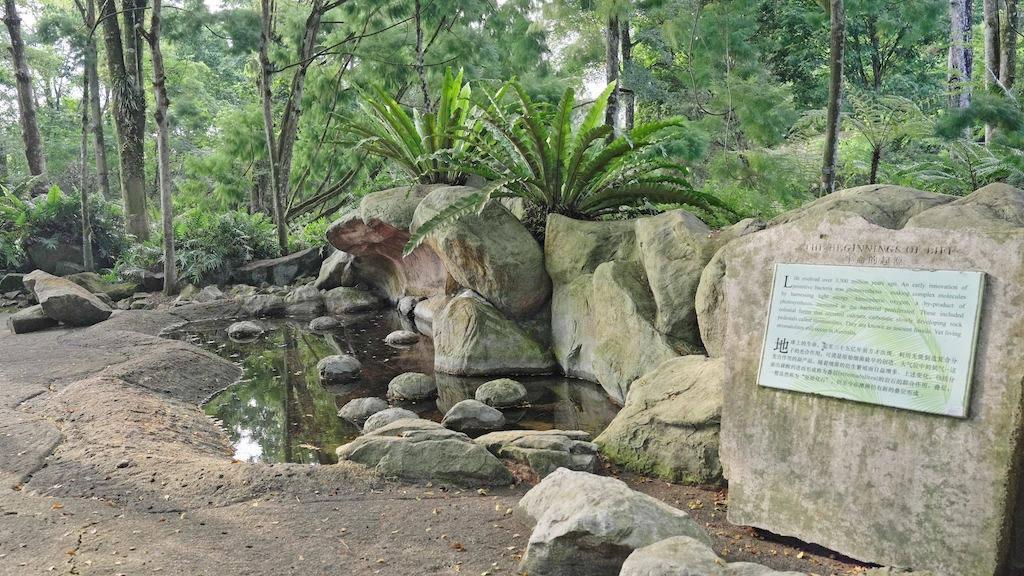
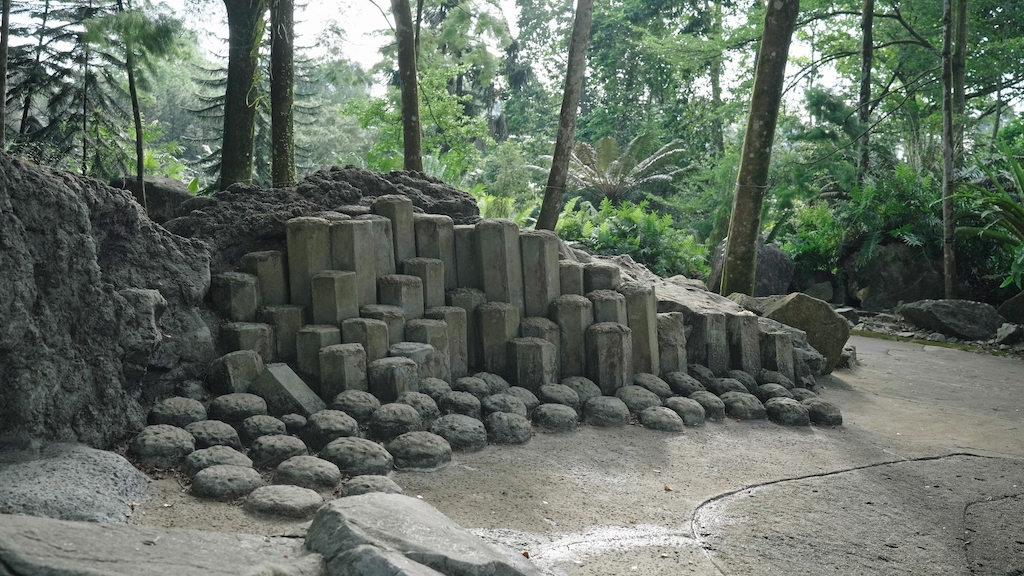
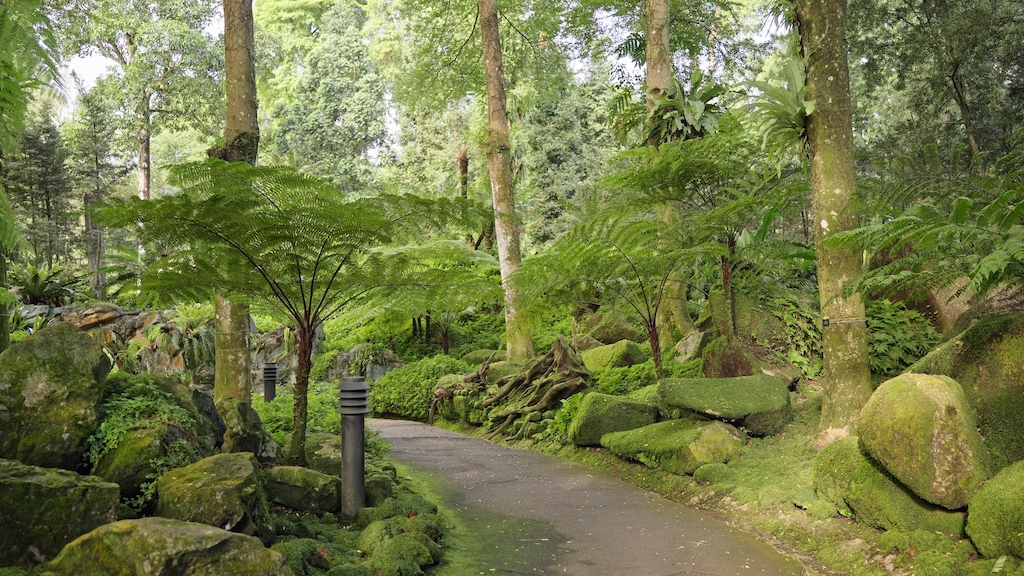
Next, The Evolution Garden; This is a huge diorama of the history of life on earth, from the perspective of plants. If you’re interested in natural world history, this will be a very fun visit! For the story and the atmosphere, this gets a 4/5.
Heliconia Walk – 4/5

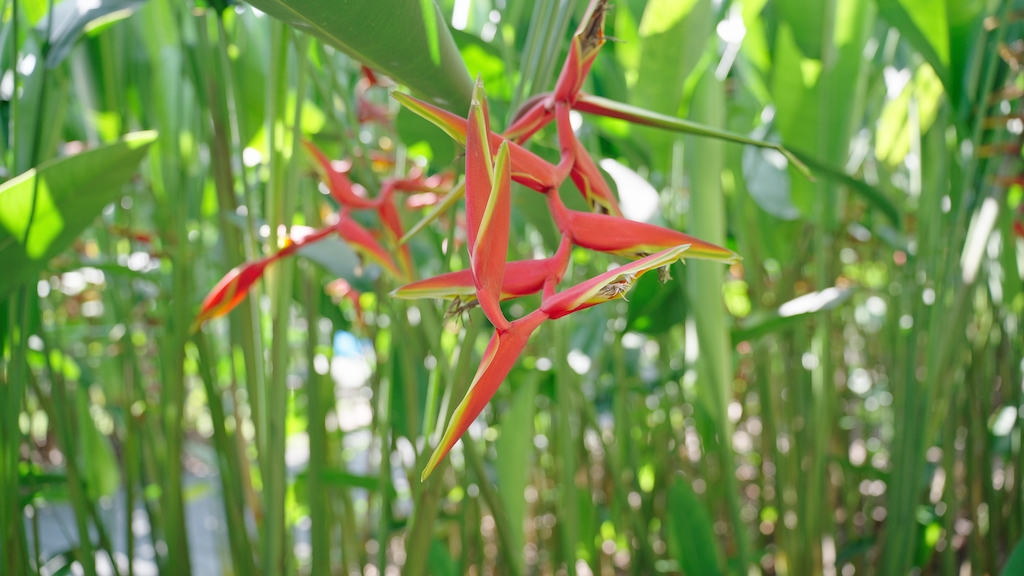
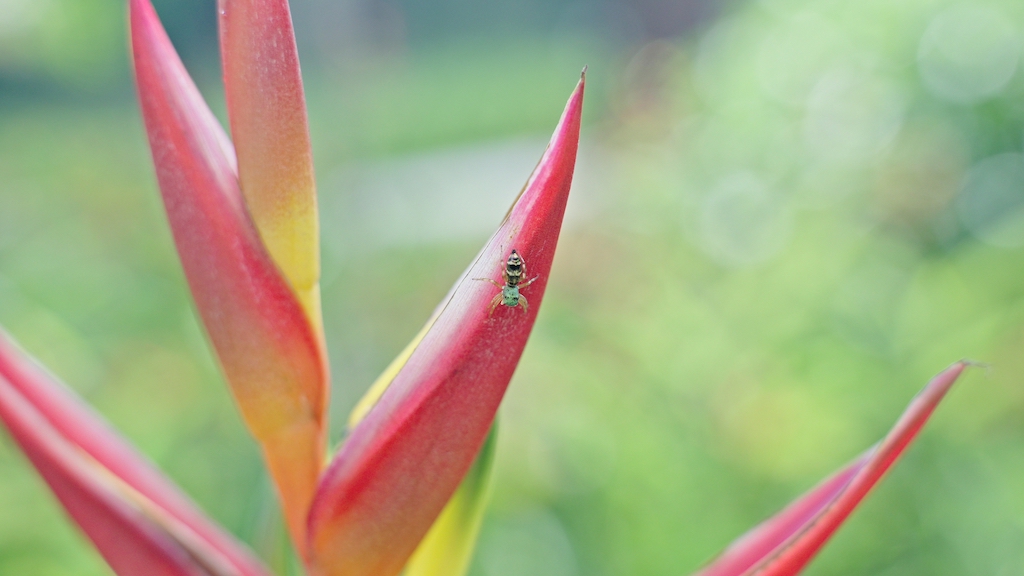
Next, the Heliconia walk; This stretch of the garden is full of bizarre-looking flowers: the heliconias. This shape being a flower boggles my mind. For its exotic flowers, this gets a 4/5.
Ethnobotany Garden – 3.5/5
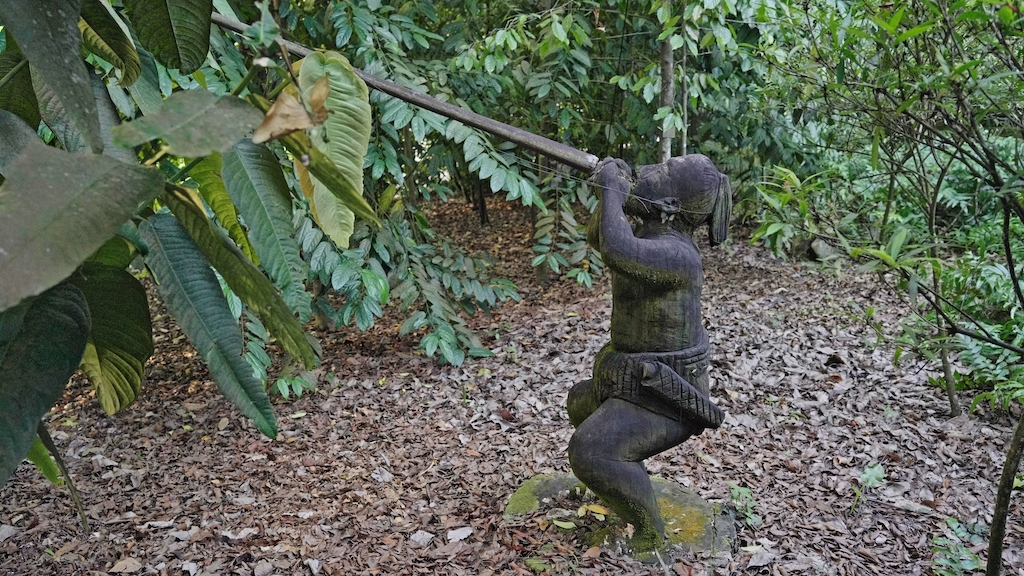

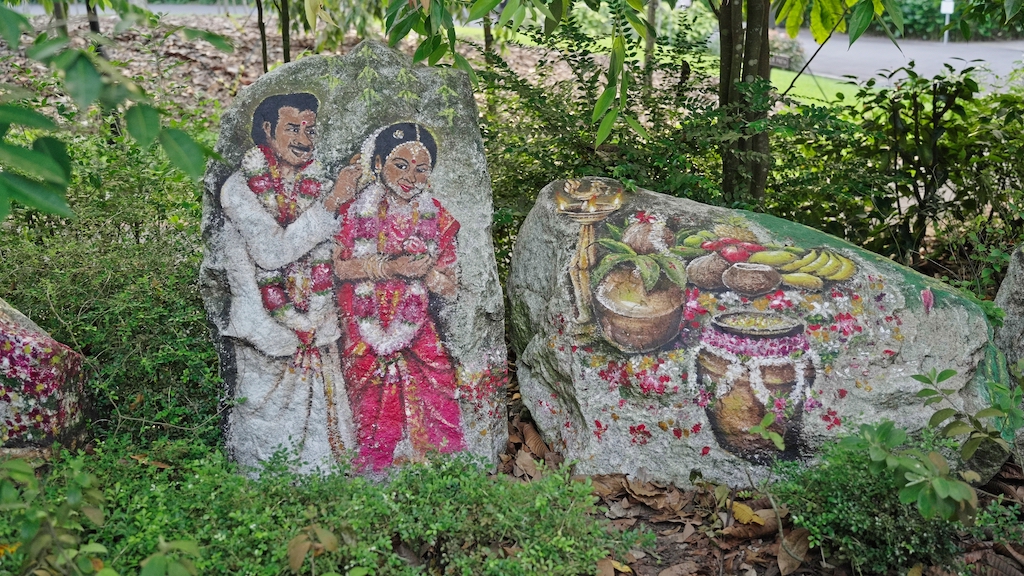
Next, the Ethnobotany Garden. It’s a plant museum showcasing the cultural significance of plants around the world. It’s got a great context but compared to other gardens, it’s a 3.5/5. It’s a living plant museum showcasing the significance of plants in human societies; you could say it puts the CULTURE in AGRI-CULTURE. It’s a good 3.5/5.
Palm Valley – Symphony Lake & Stage – 3/5
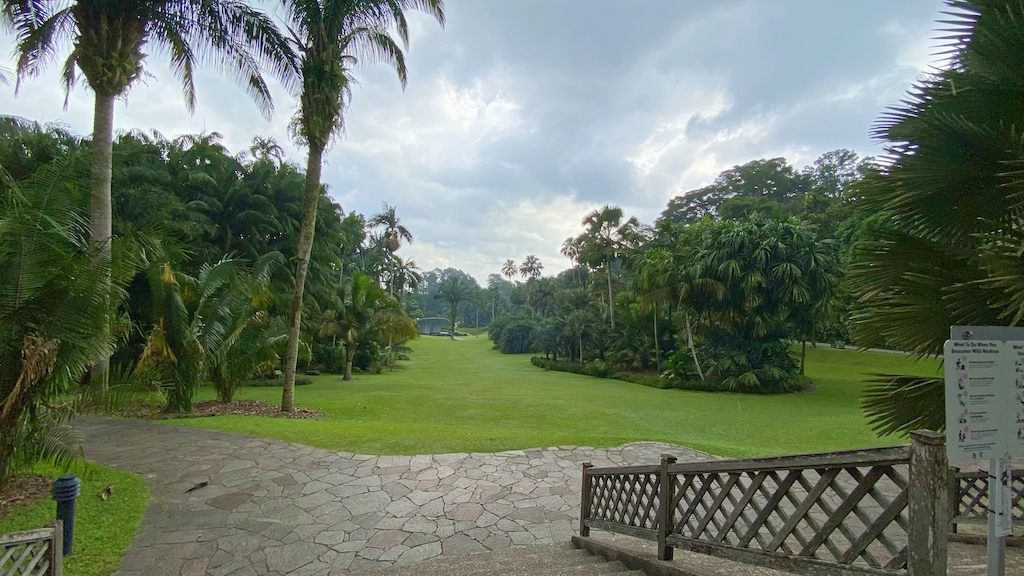
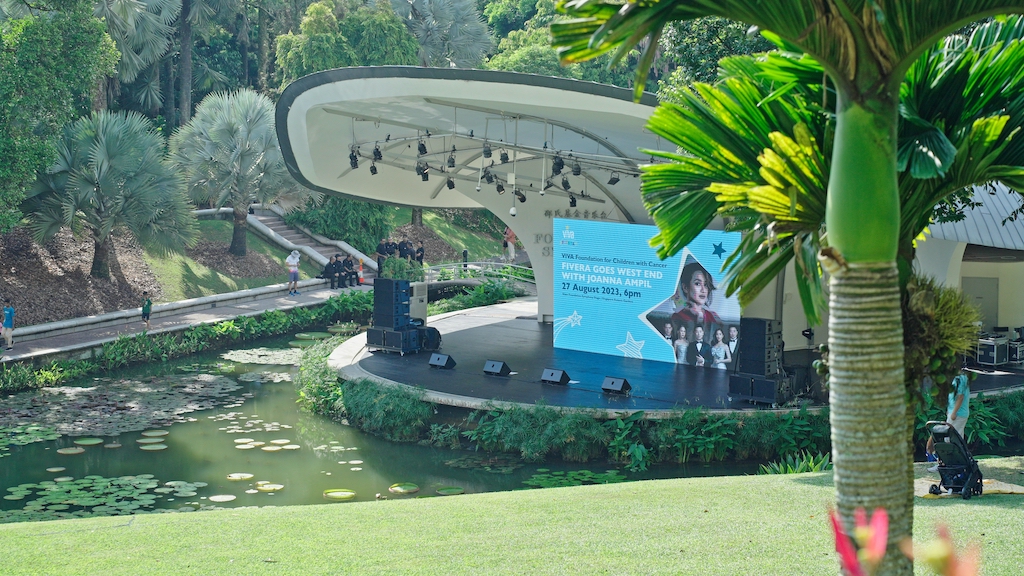
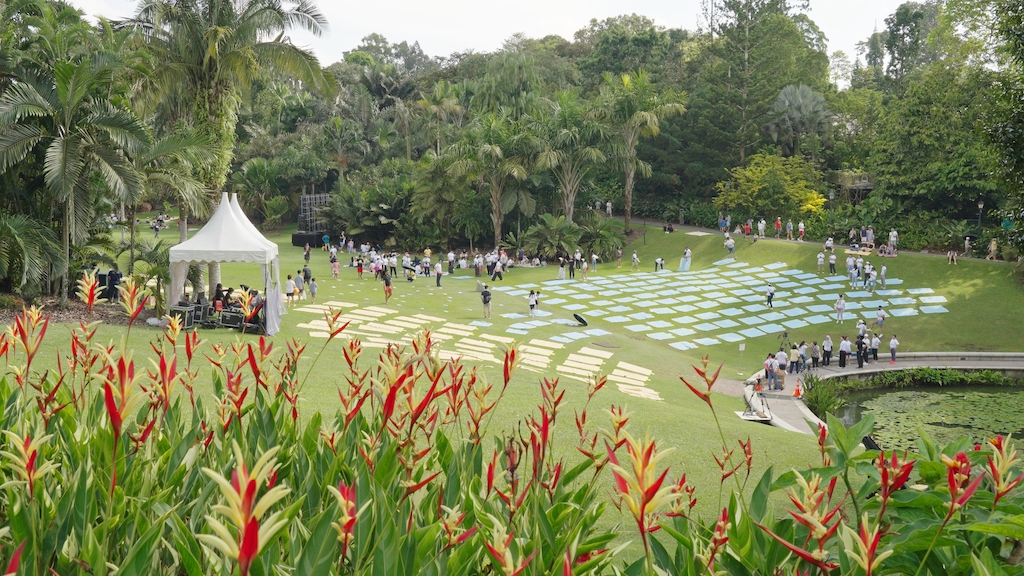
The palm valley has a vast grass area in front of Symphony lake and stage. It’s a good event area and maybe for picnicking, so for me, it’s a 3/5.
Bandstand – 3.5/5
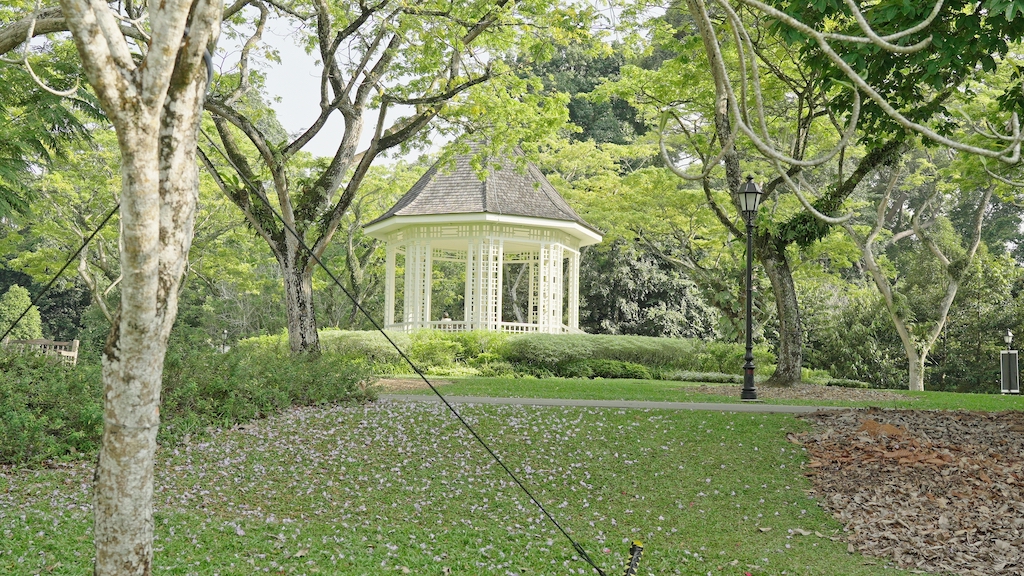
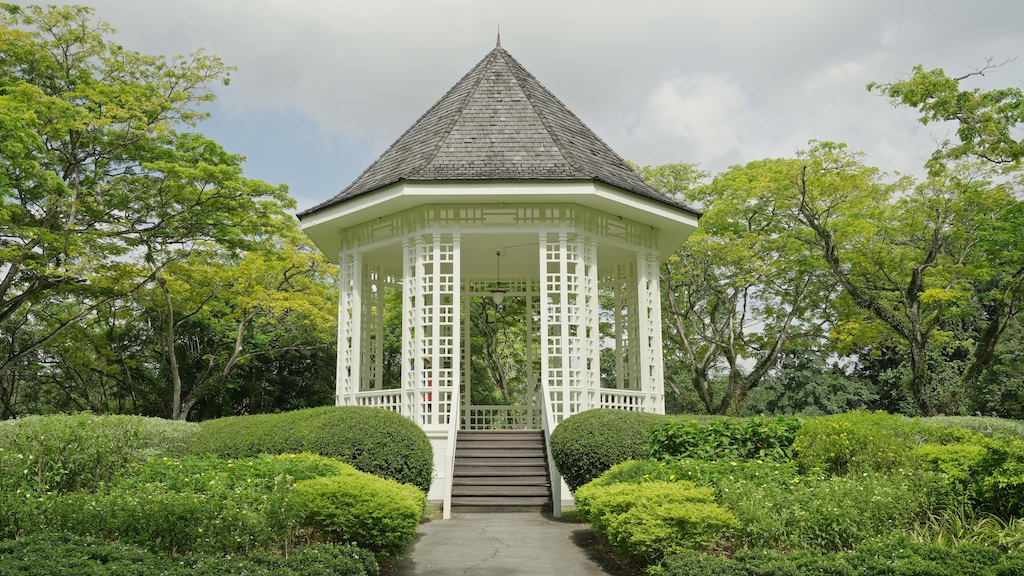
The bandstand was originally built in the 1930s for musical performances. Today it’s popular for wedding proposals and shoots. For the beautiful architecture and surroundings, it gets a 3.5/5.
Heritage Garden – 4/5
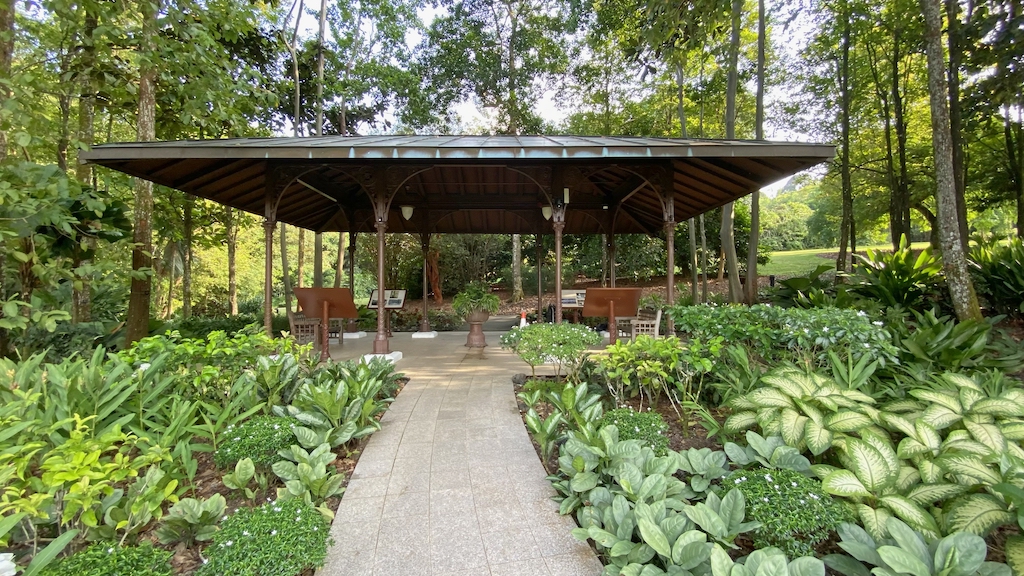
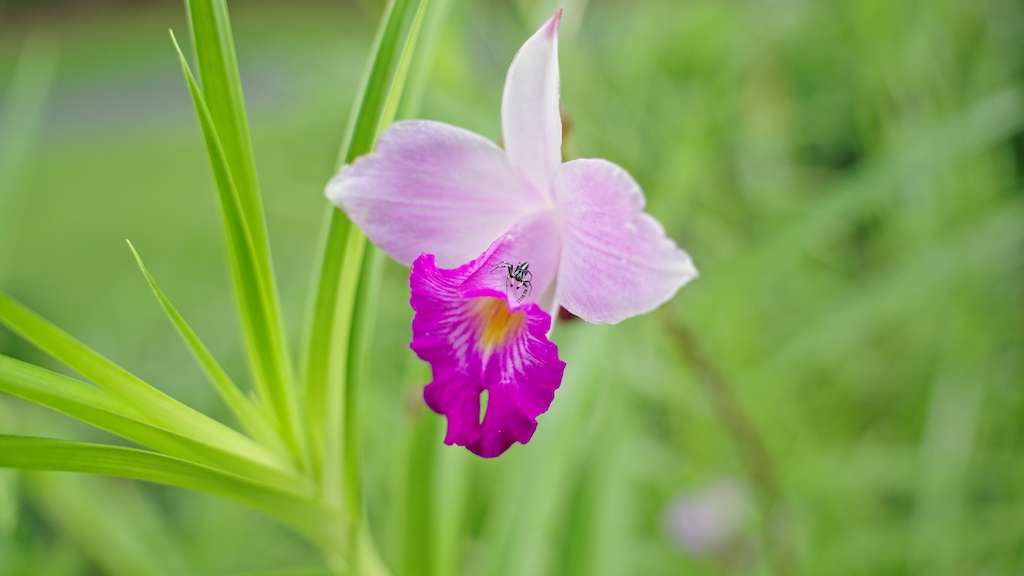
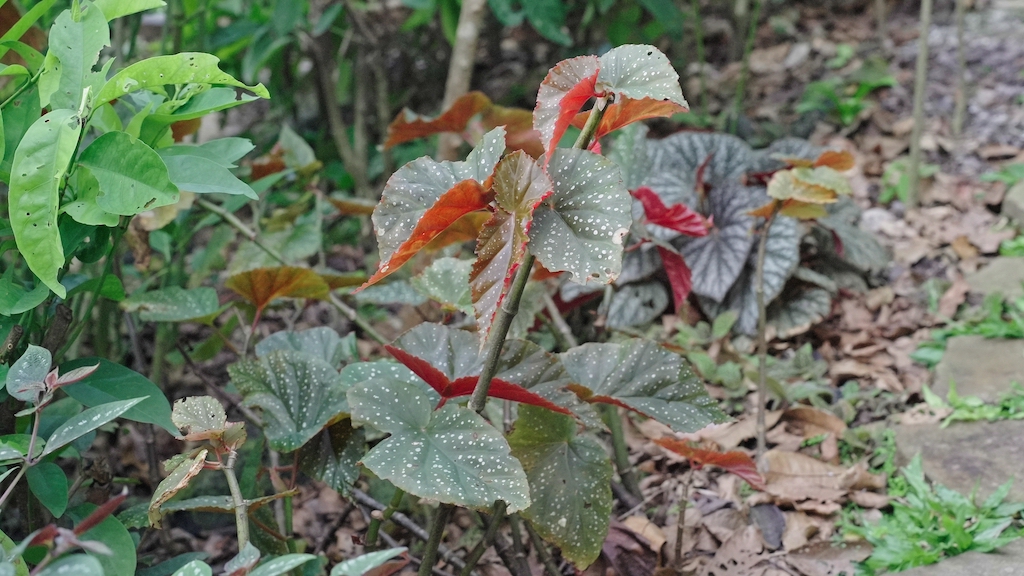
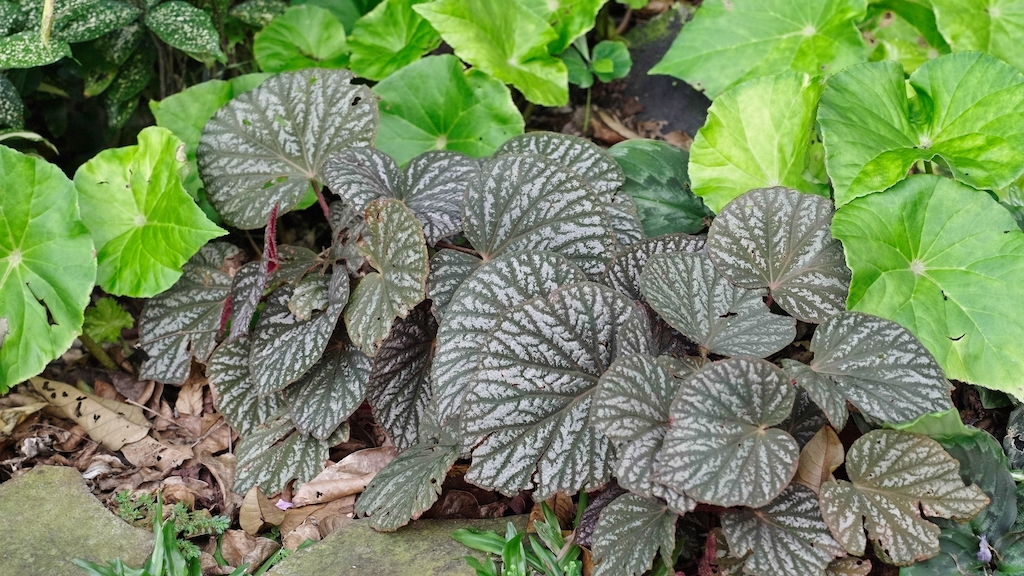
This garden tells the history about The Botanical Gardens in Singapore and displays a big variety of vividly colored plants, especially leaves with all kinds of interesting patterns. For the story and array of plants, it’s a 4/5.
Sundial Garden 4.5/5
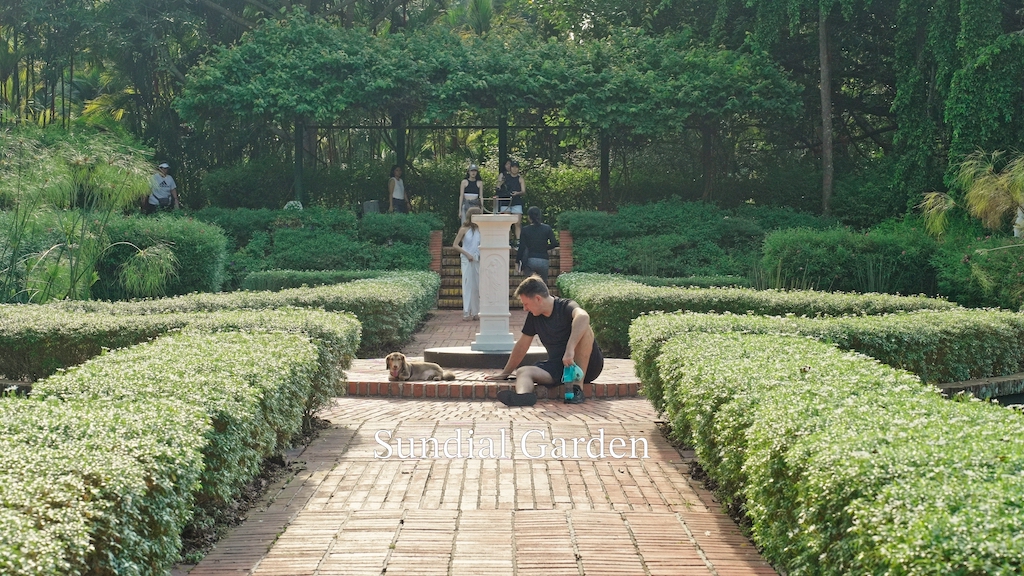

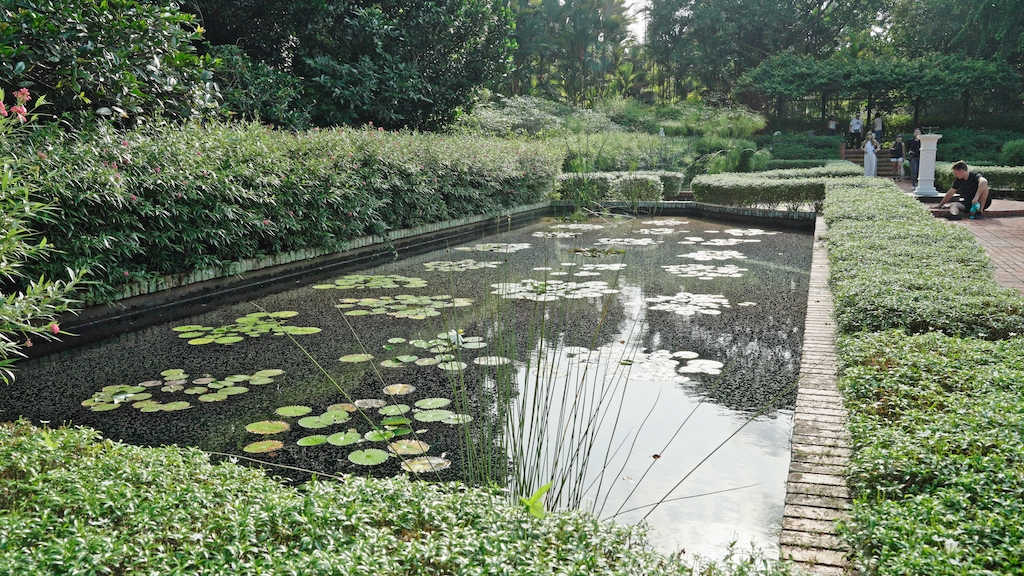
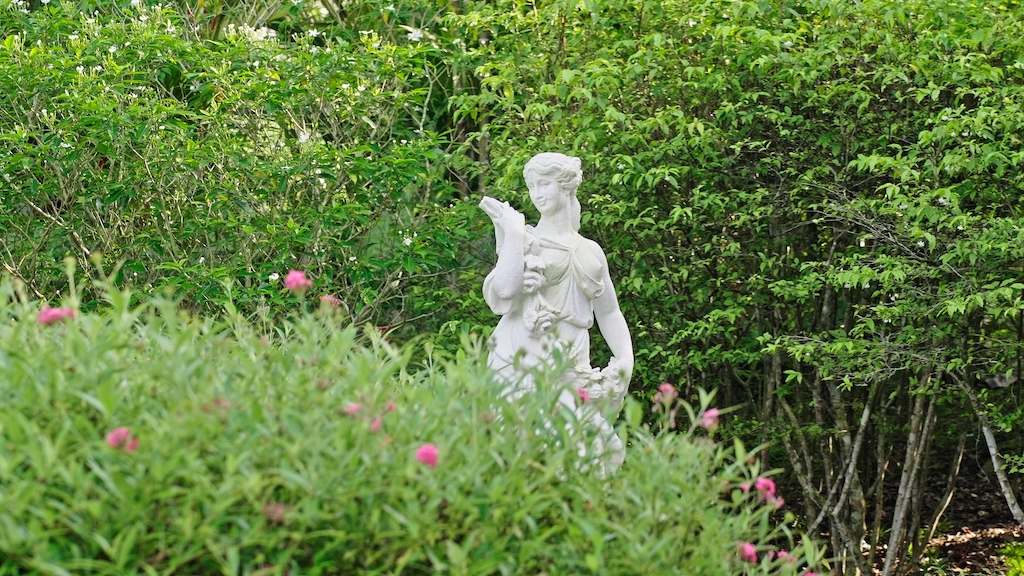
This red-bricked garden has a SUNDIAL as its centerpiece, surrounded by square ponds, bushes, and statues. It’s a very scenic solid 4.5/5 garden.
Bonsai Garden – Pending
It was closed for renovation when I visited BUT it’s supposed to display nice bonsai trees. I believe it’s worth checking out when it’s operational.
Sun Garden – 4/5
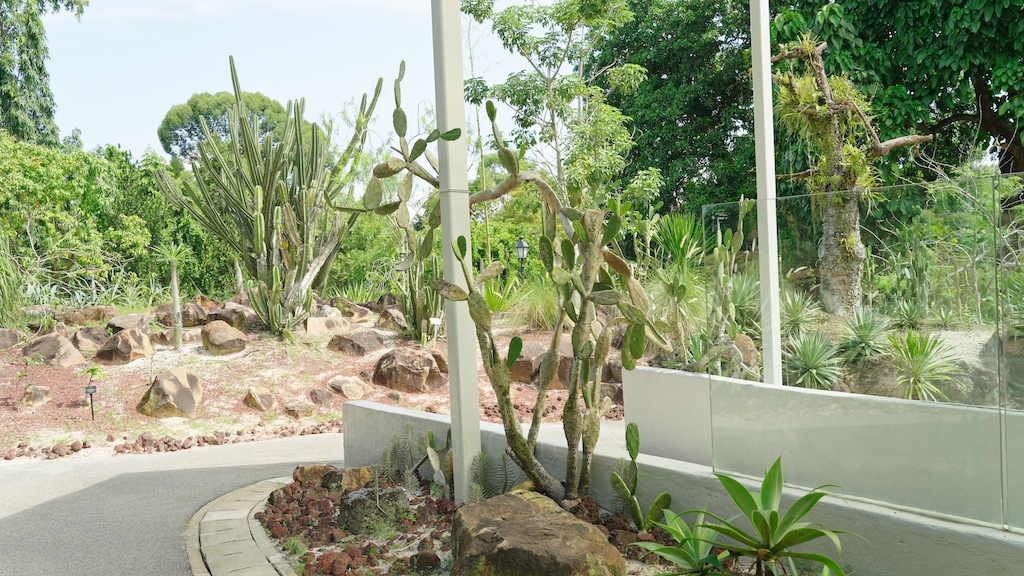
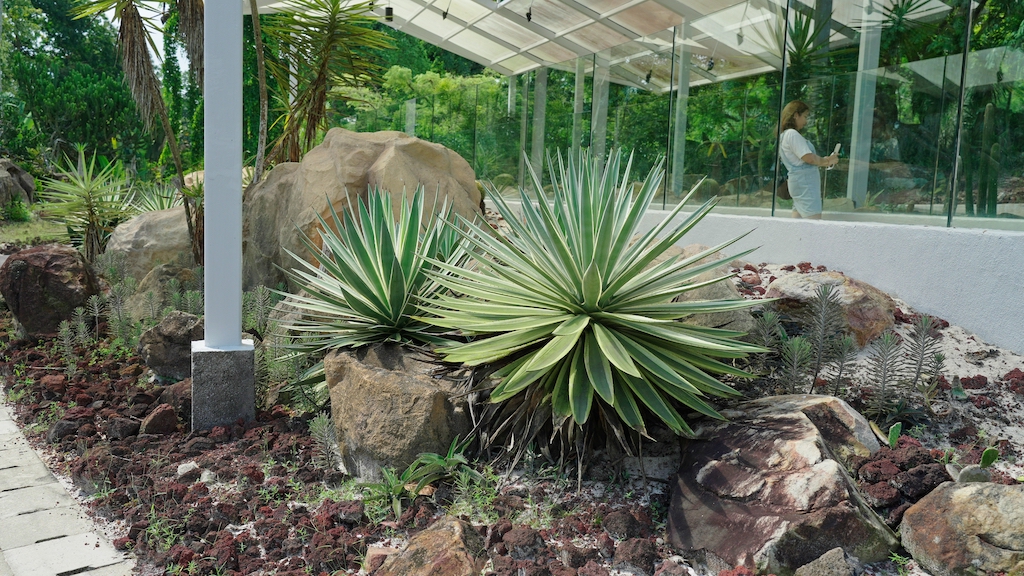
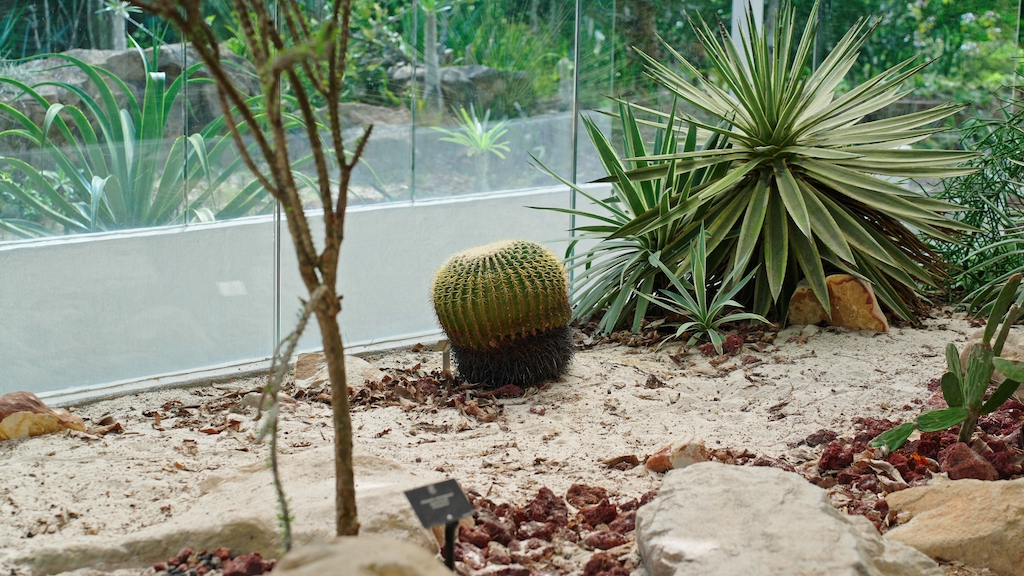
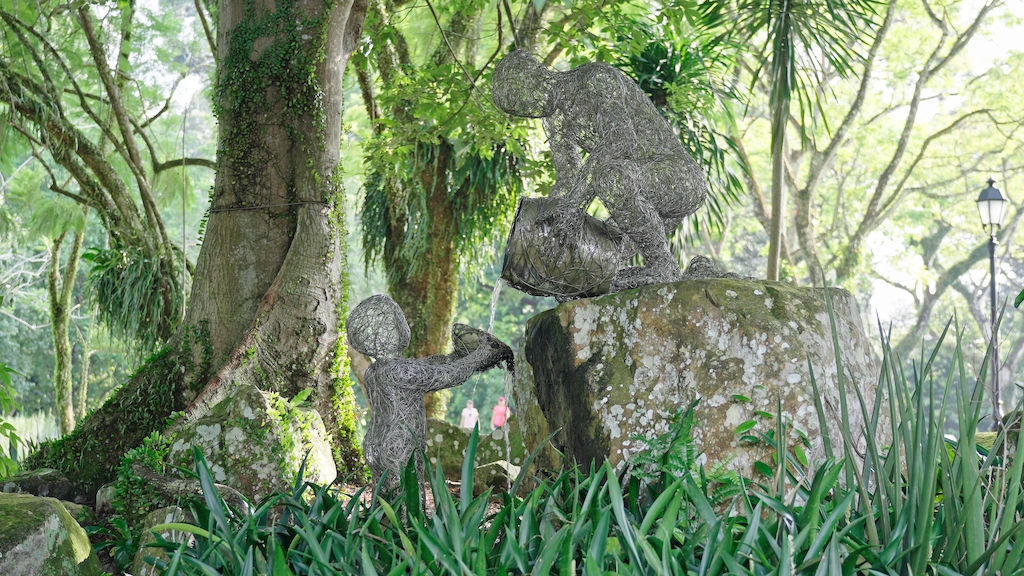
This garden displays plants from drier environments; you can find plants you don’t usually see in the tropics. For the novel plants and beautiful statues here, it gets a 4/5.
Frangipani Collection – 4/5
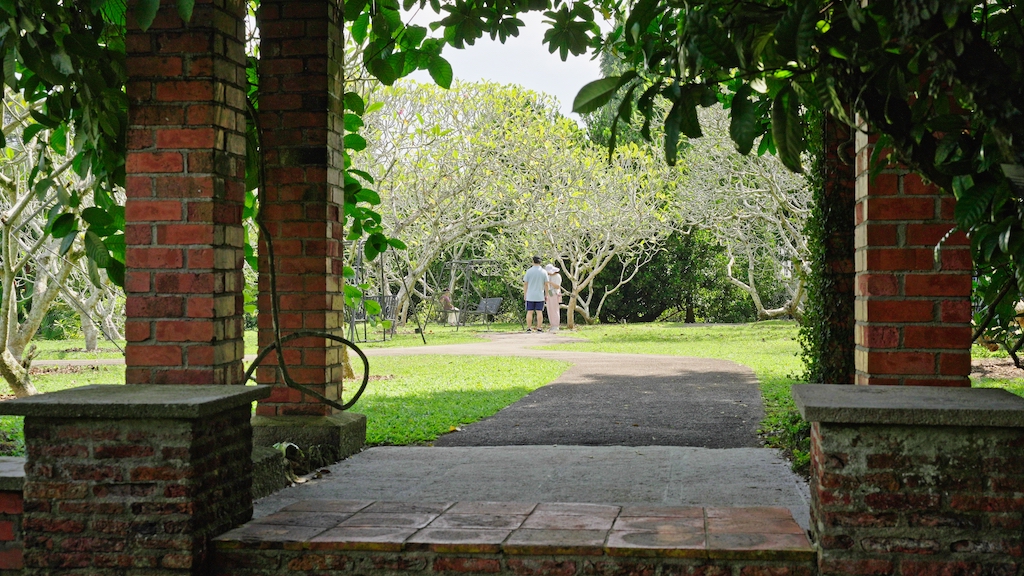
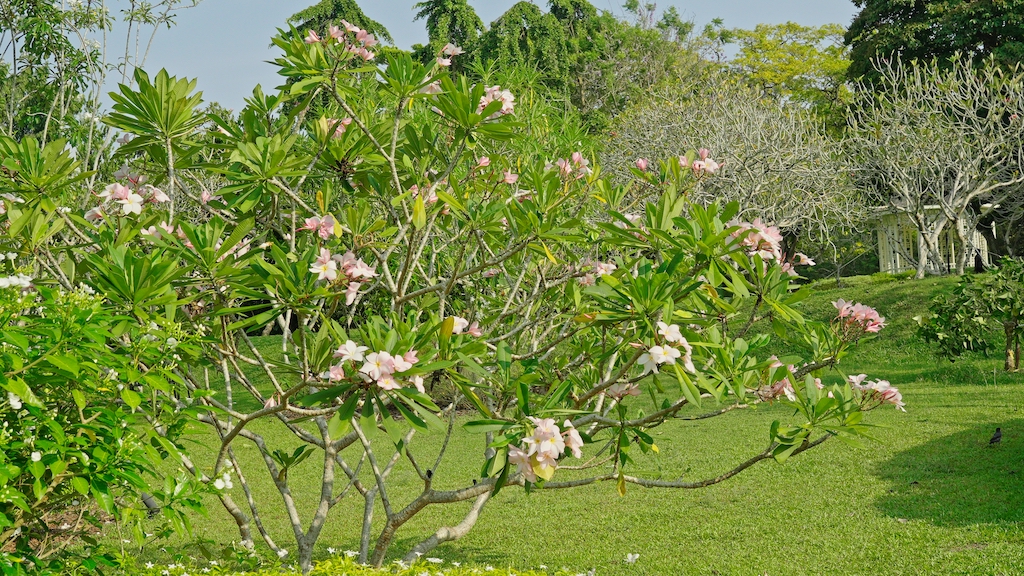
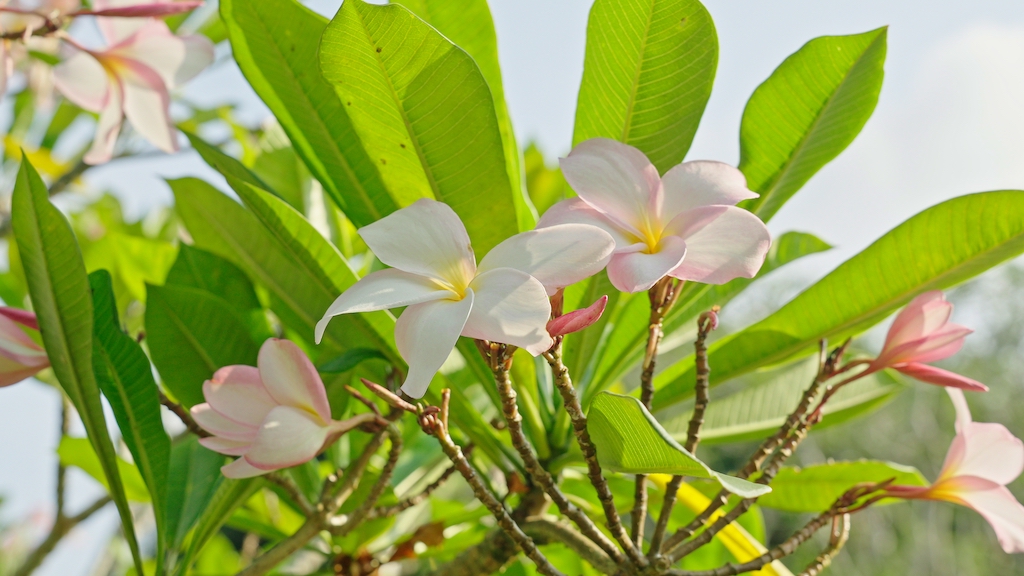

In this section, you’ll find trees with colorful flowers. With these swings around, the Frangipani collection is good for a lovely date or a fun day out with the children, so I’ll give it a 4/5.
Plant House – 3.5/5
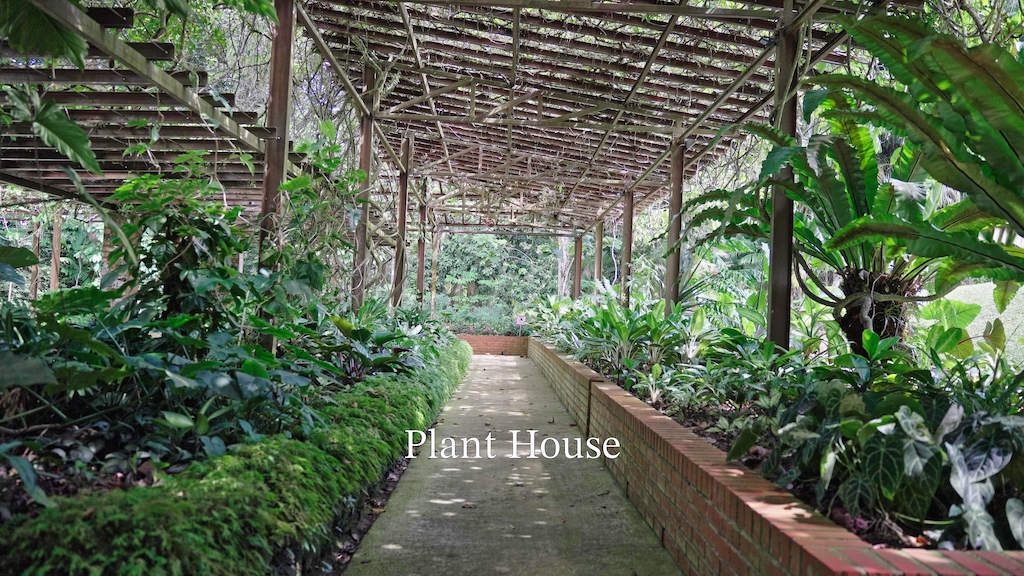
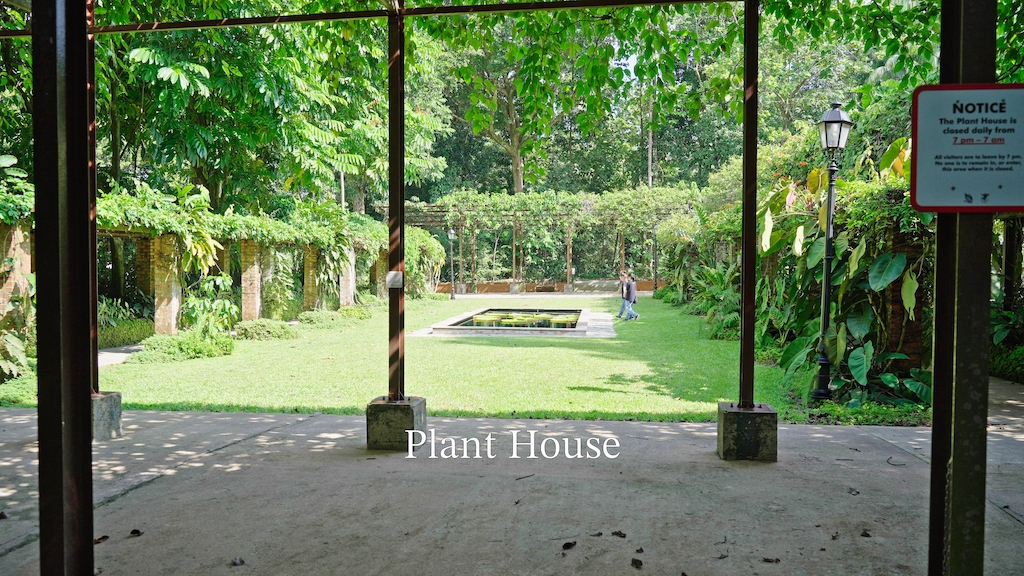
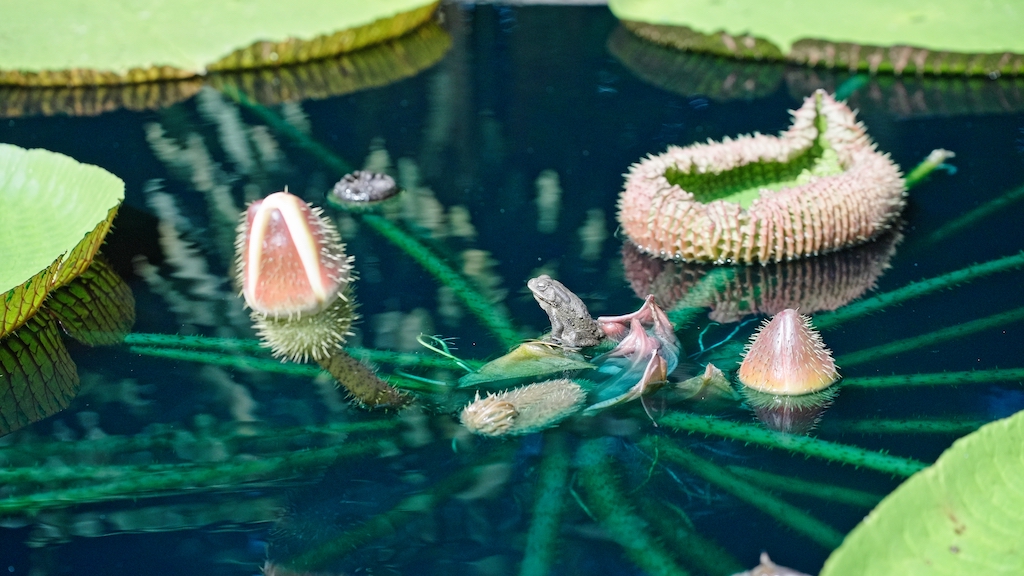
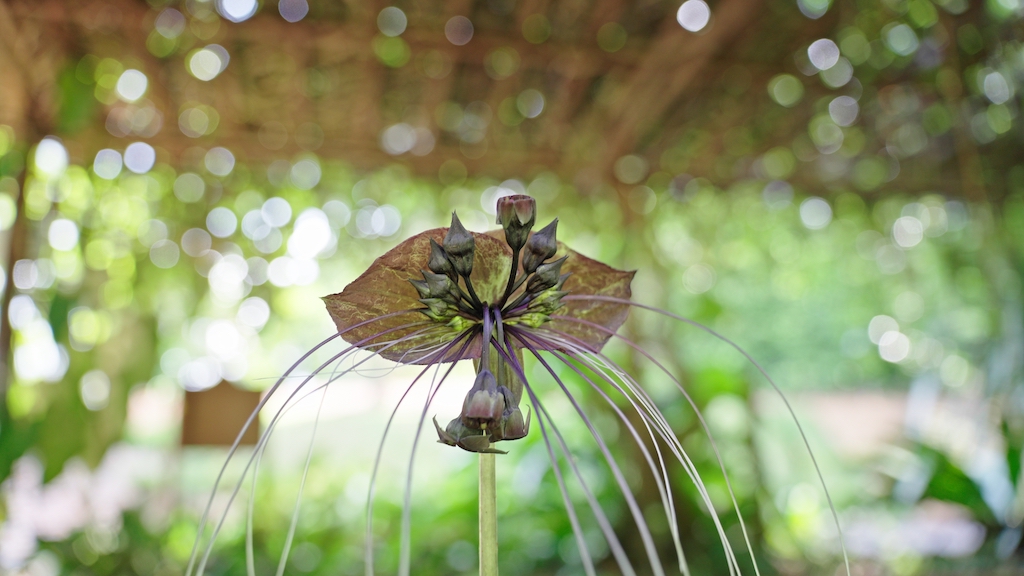
The Plant House; here, you’ll find sheltered rows of flora in display and a pond amidst a grass square. It’s quite a pretty place to visit, but not much else is happening, so it’s a 3.5.
Healing Garden – 3/5
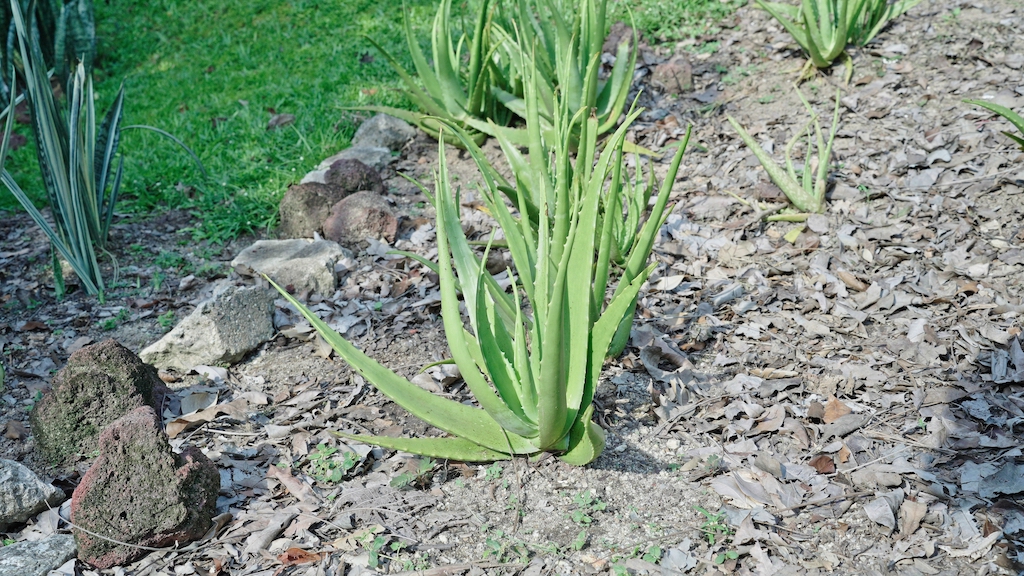
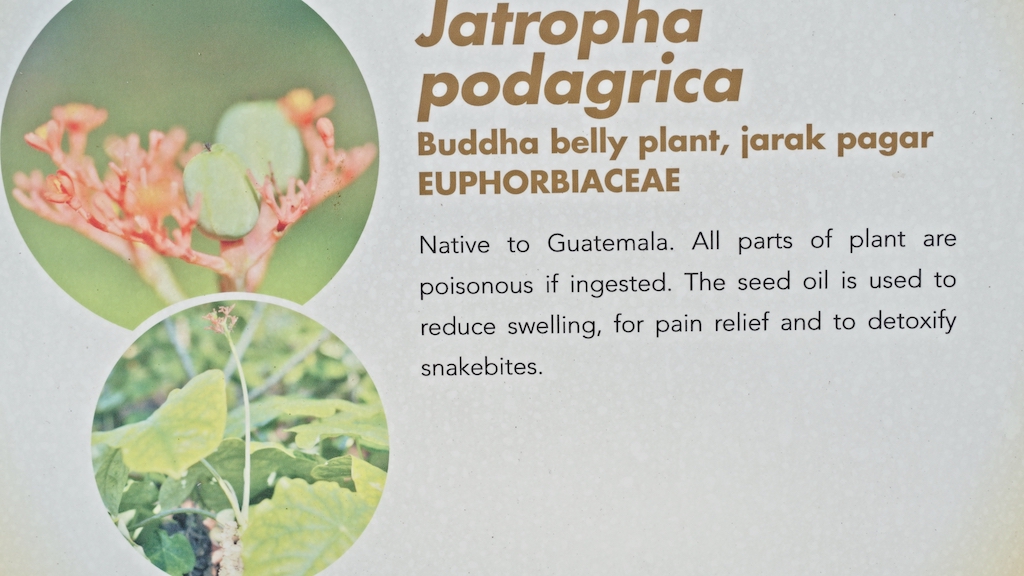
The healing garden is a garden full of medicinal plants. Do you have an illness to cure or a rival to eliminate? This garden has fun information about how humans treat illnesses with plants; otherwise, it’s a 3/5.
Trellis Garden – 2.5/5
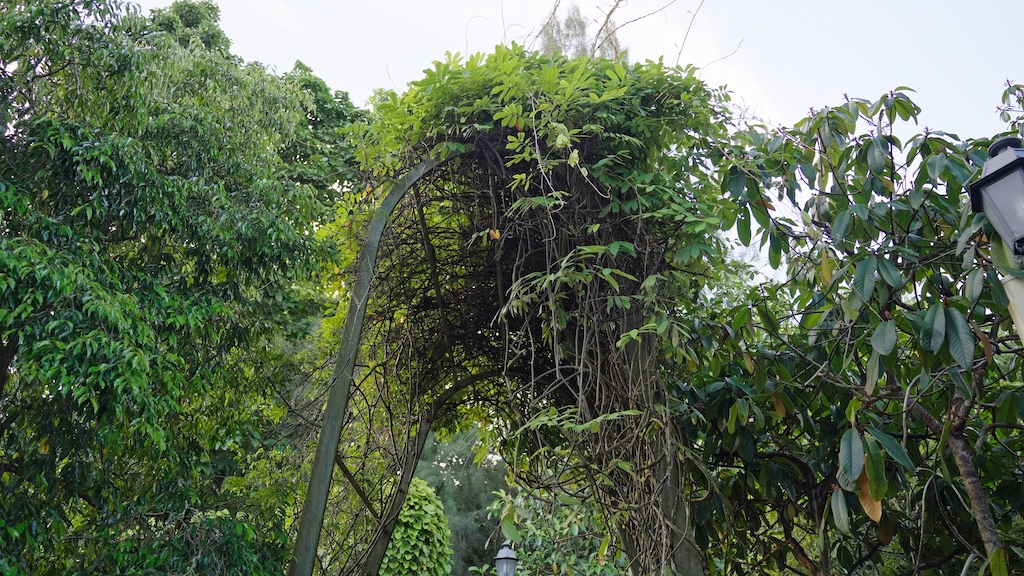
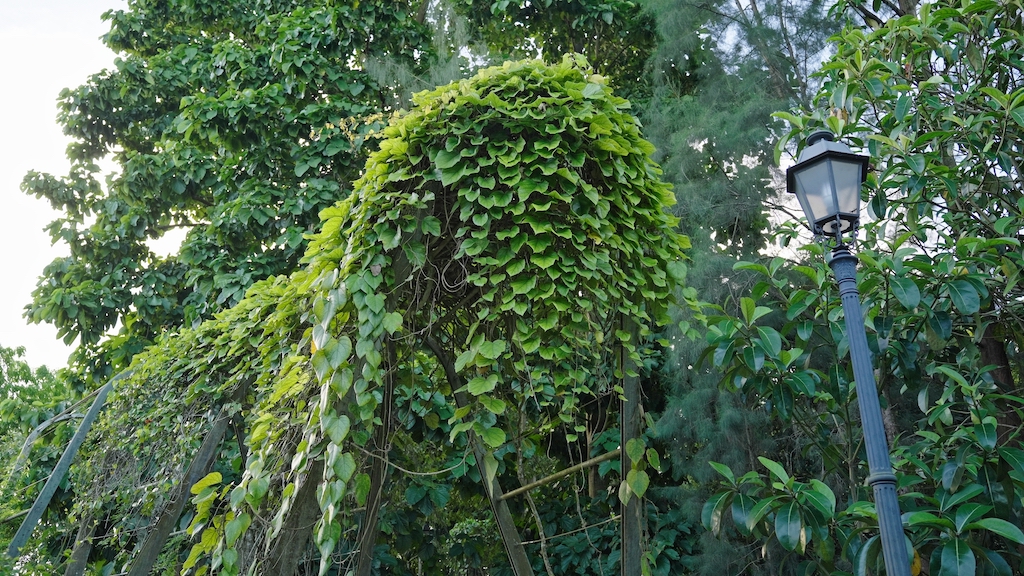
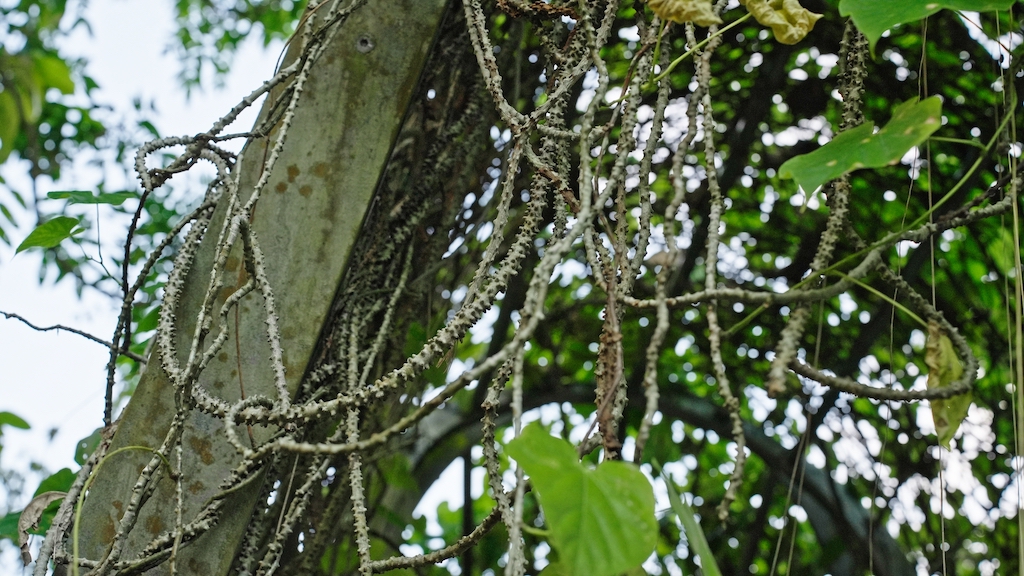
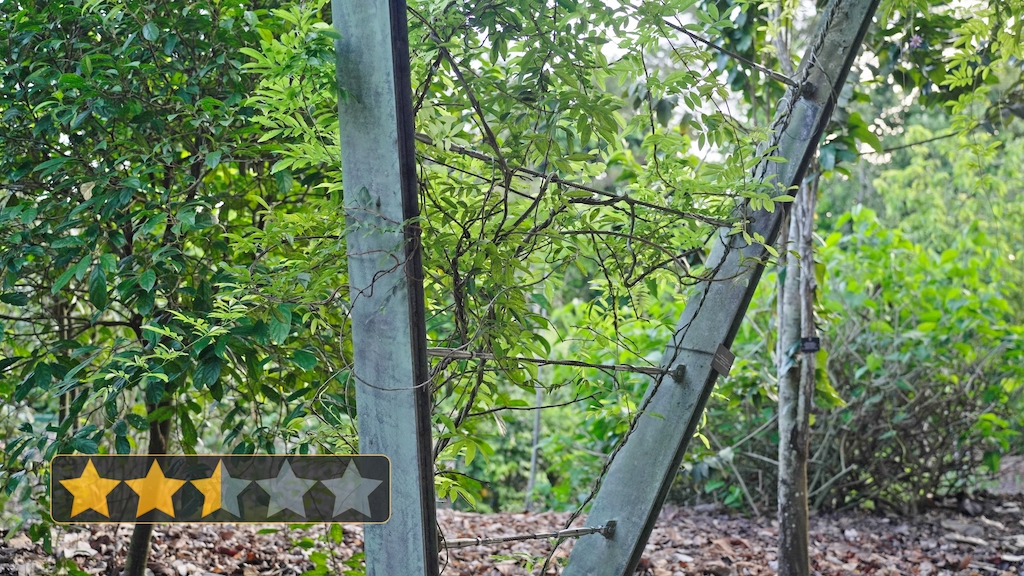
It’s a garden full of trellises displaying a collection of creepy plants! For me, it wasn’t very interesting, so I’m giving it a 2.5/5.
Fernery – 2.5/5
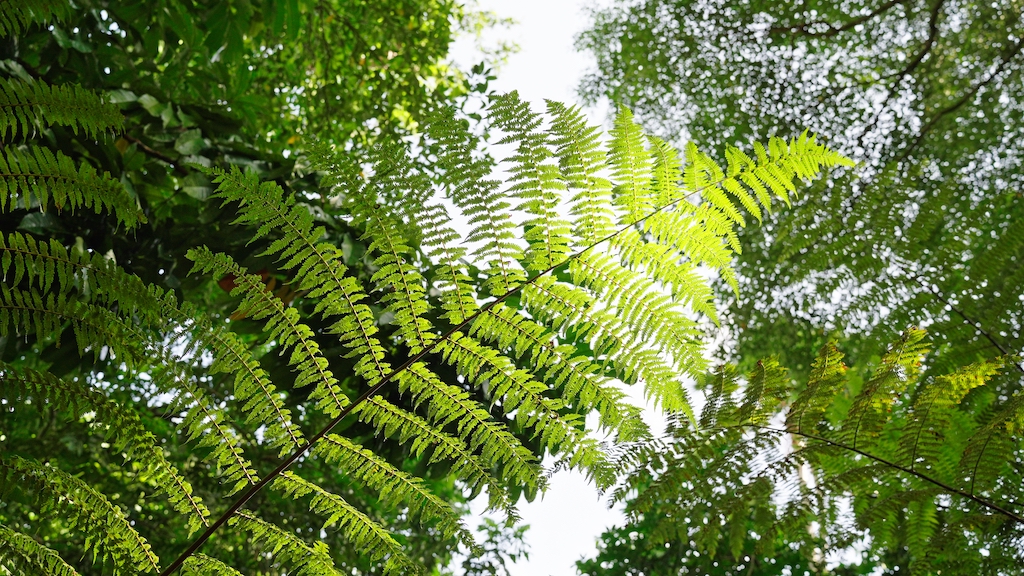
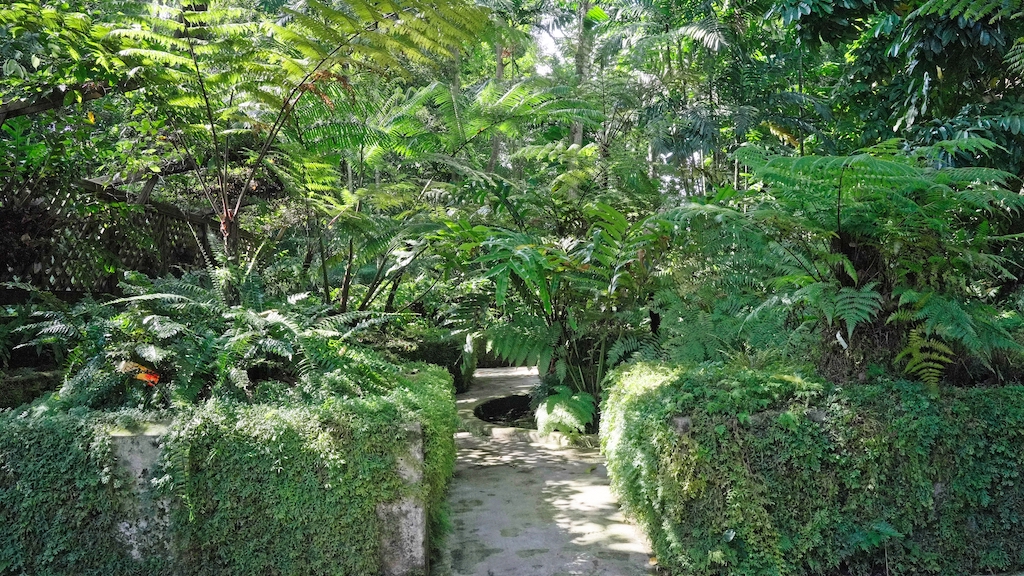
The fernery houses a collection of ferns. I felt that the space was too cramped, and the displays aren’t as obvious. So it’s a 2.5/5.
Rainforest Boardwalk – 2.5/5
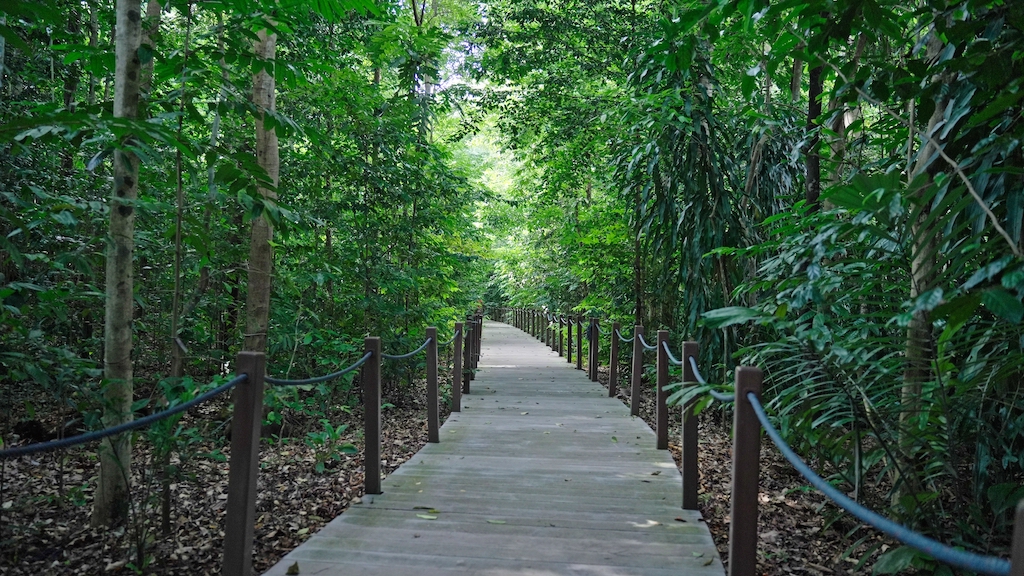
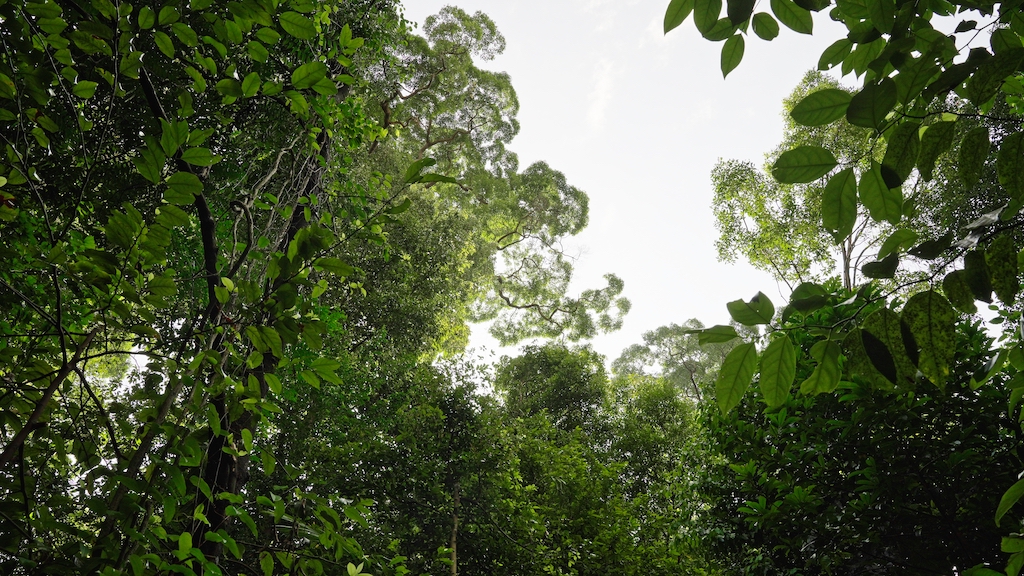
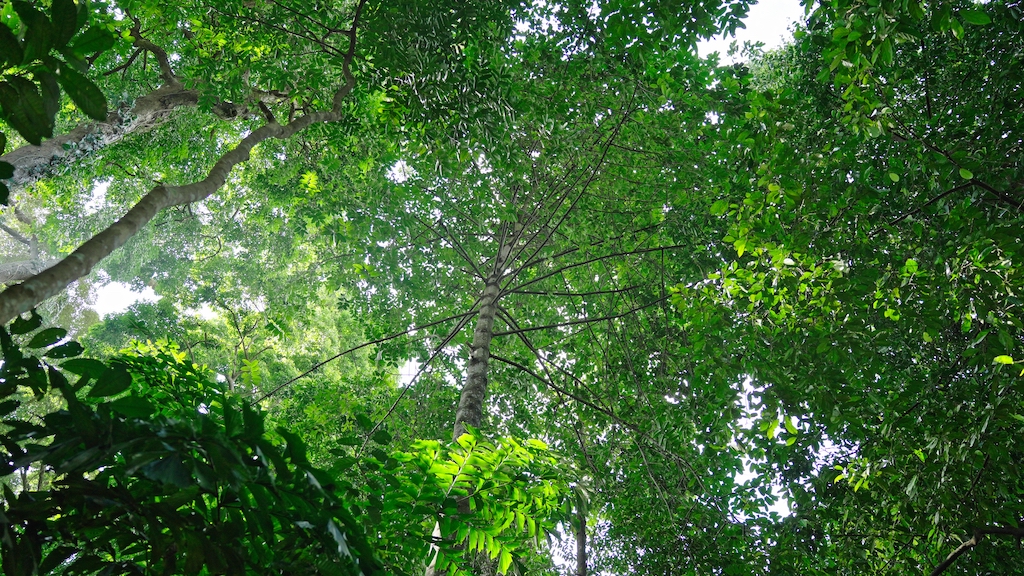
The rainforest boardwalk takes you on a journey through a tropical rainforest. It was cool to be amidst a dense tropical rainforest, but I feel it was slightly lacking, so it’s also a 2.5/5.
Foliage Garden – 4/5
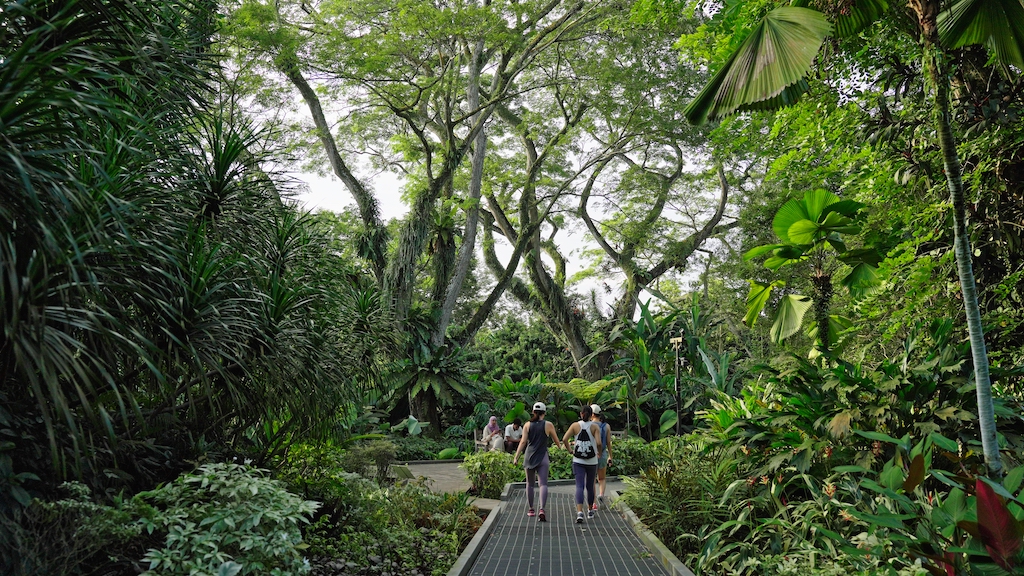
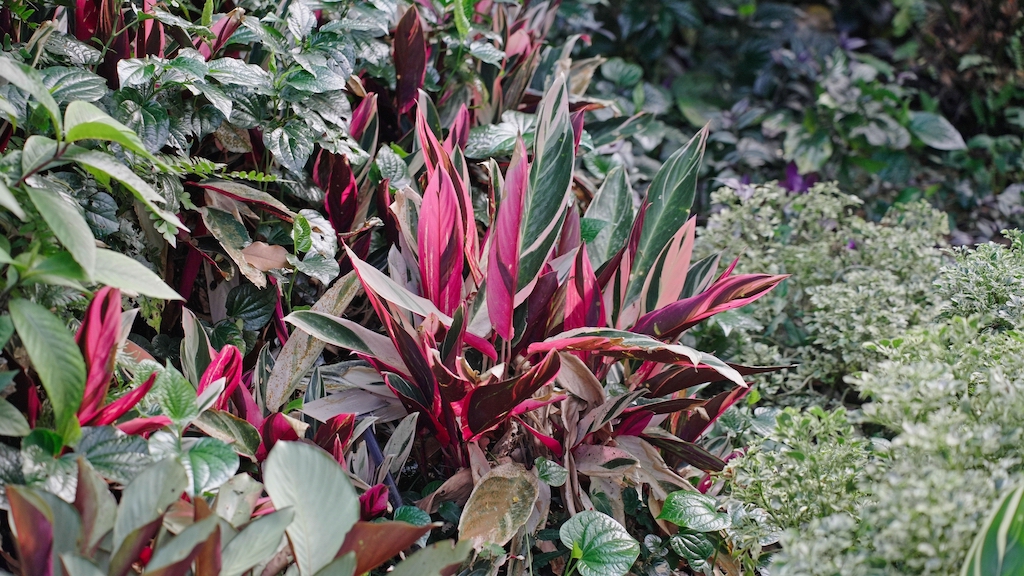
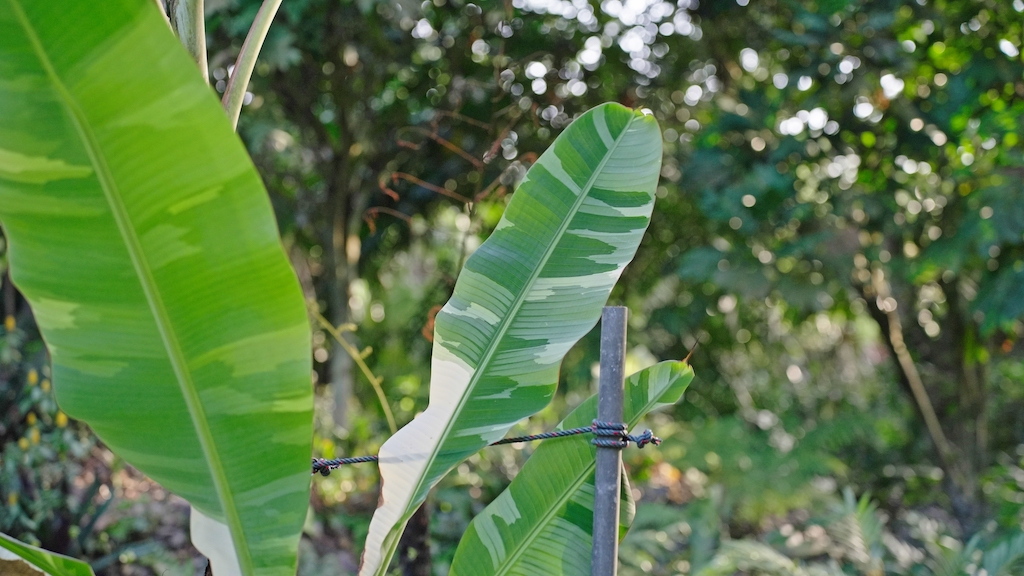
This garden displays plants with exotic leaves. These leaves really do stand out. For leafing me breathless and out of the sun, this gets a 4/5.
Swan Lake – 4/5
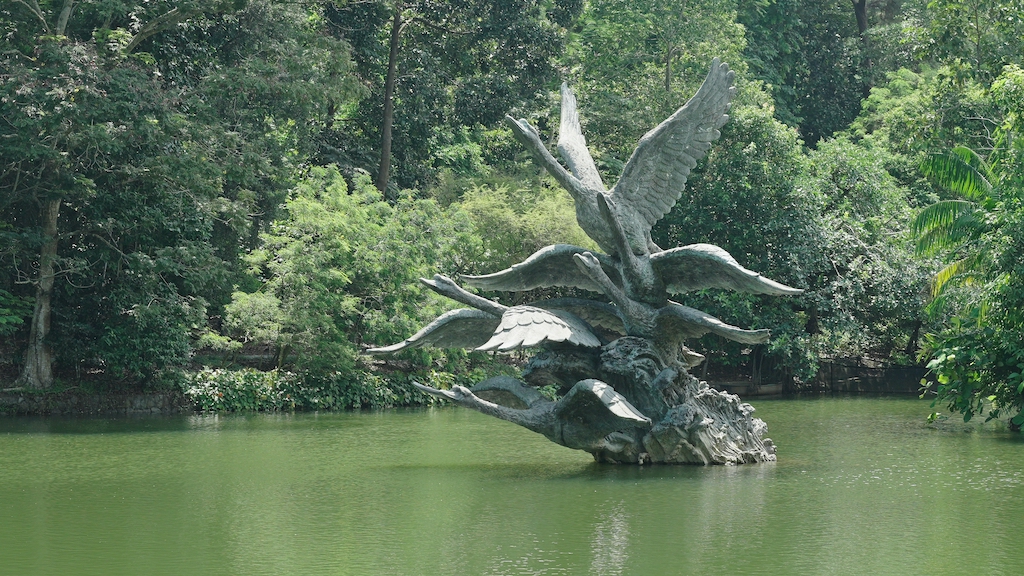
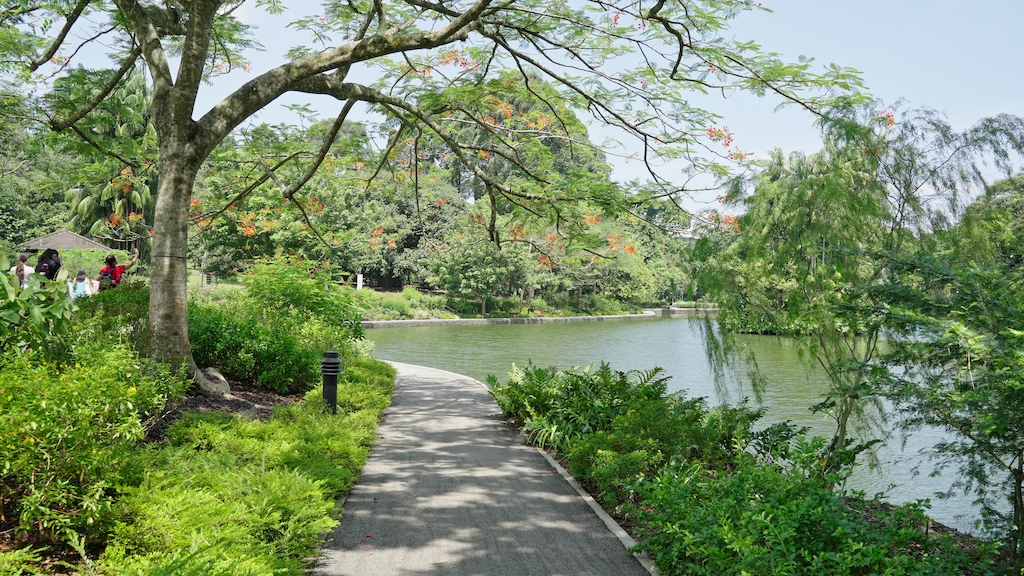
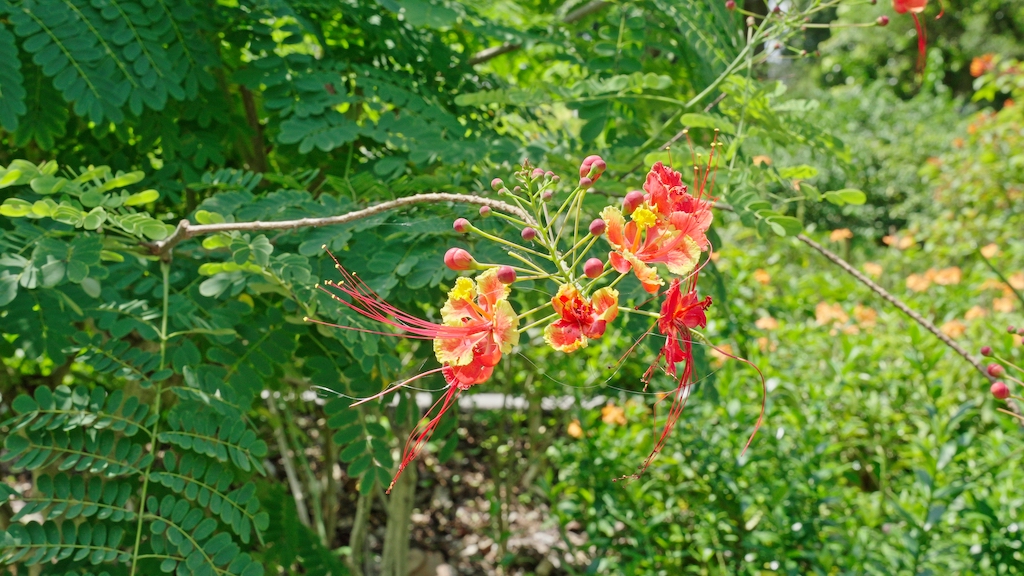

Swan Lake, This is a large open water area pleasantly decorated by flowering plants and frequently visited by Swans. You can spot fishes here! The swan lake gets a 4/5.
Gallop Extension – 4/5
The Gallop extension is the newest section of the Garden outside the UNESCO heritage area. Within this section, there’s the:
Gallop Valley
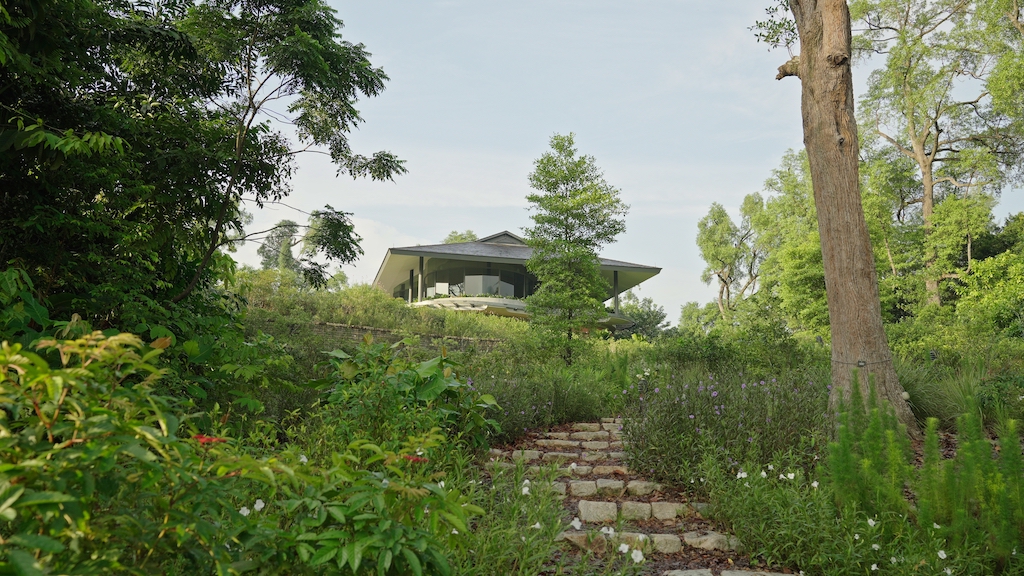
Here, a meandering path brings you along a serene garden overlooked by a fine dining restaurant atop the hill.
House 7 & 5
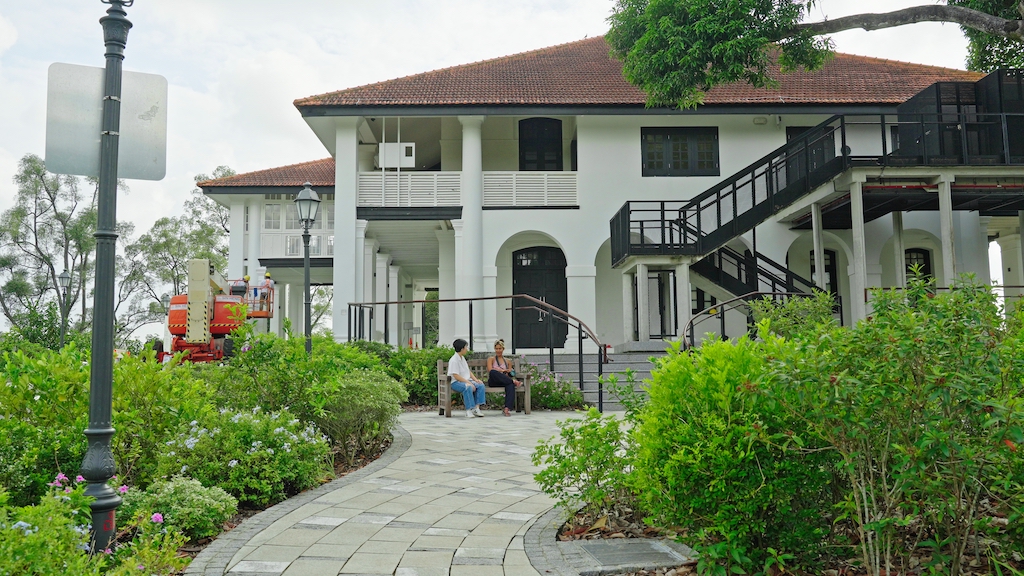
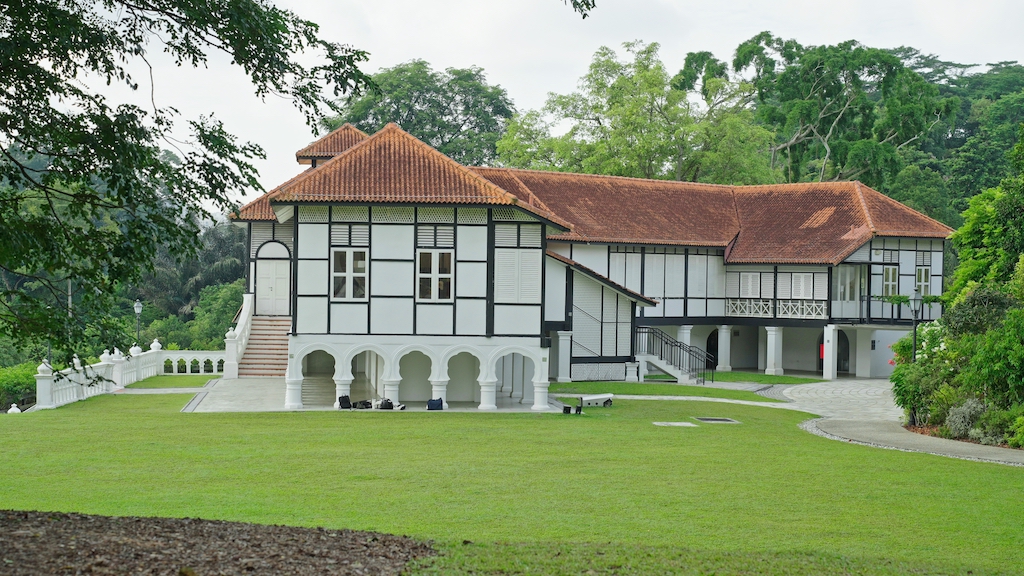
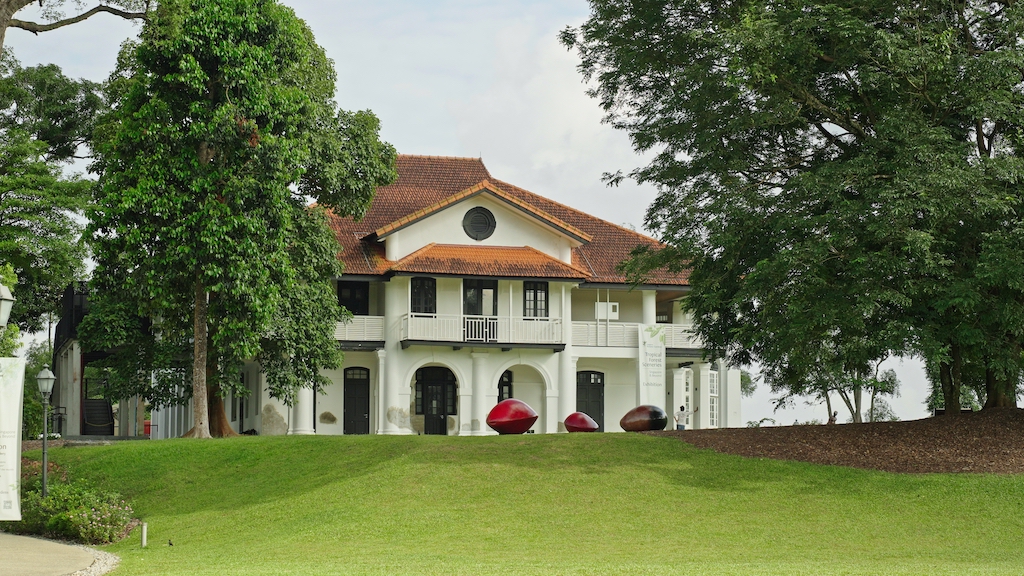
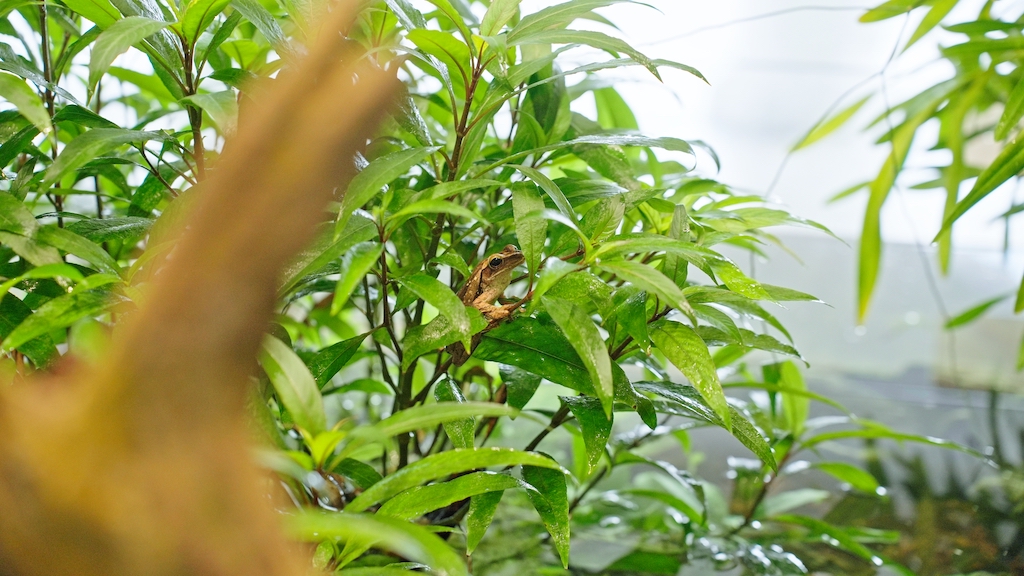
The Atbara and Inverturret, Two nice colonial-style houses that are now art and nature exhibits. This is such a welcoming sight from the usual dense urban city view.
Adventure Grove
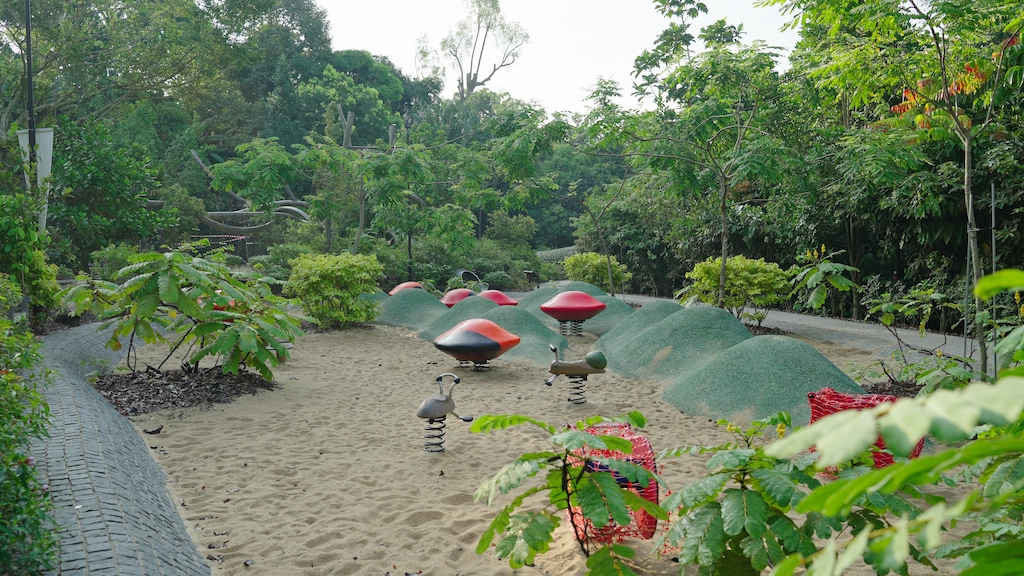
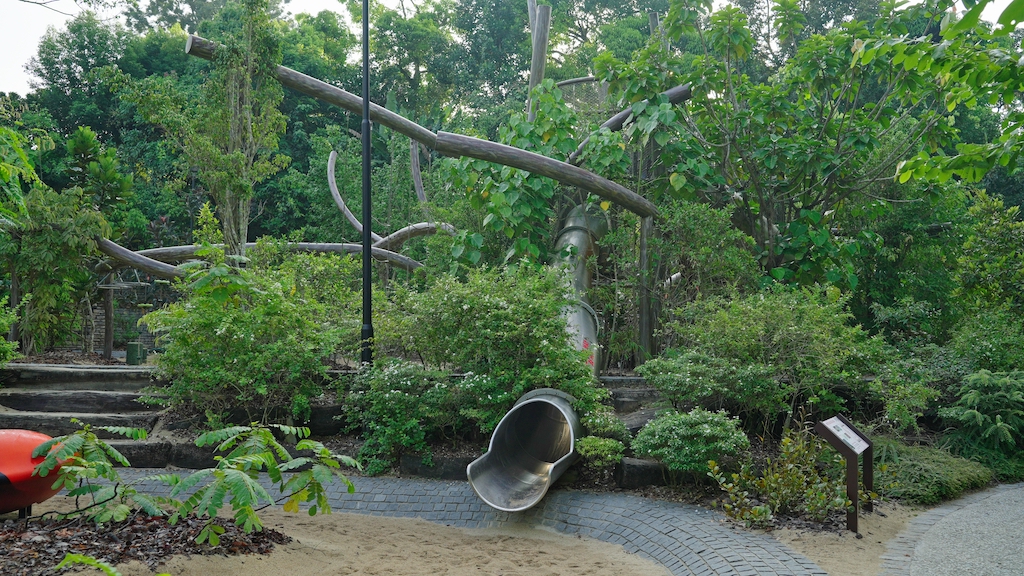
A big nature-themed playground, mainly for children.
Arboretum
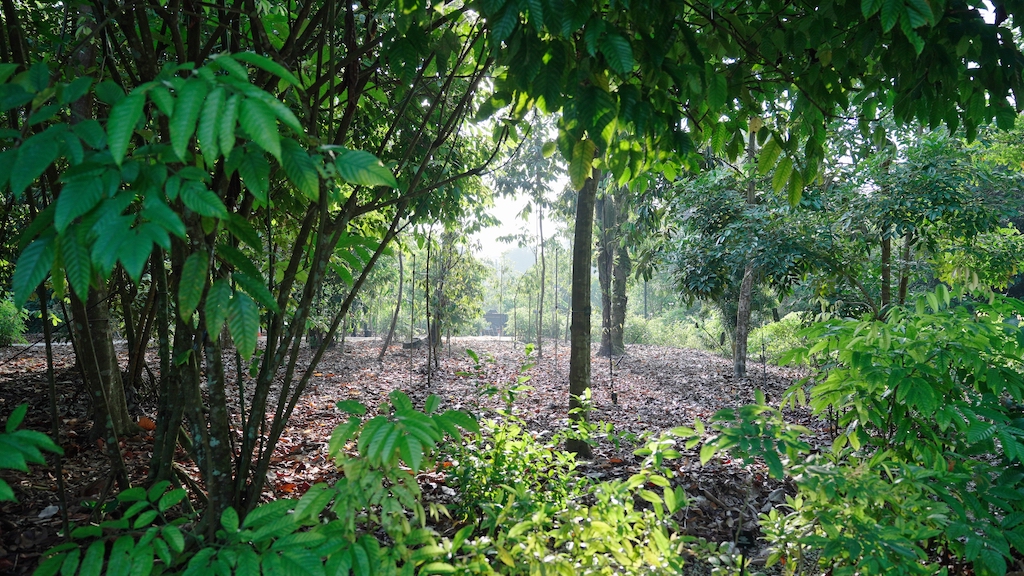
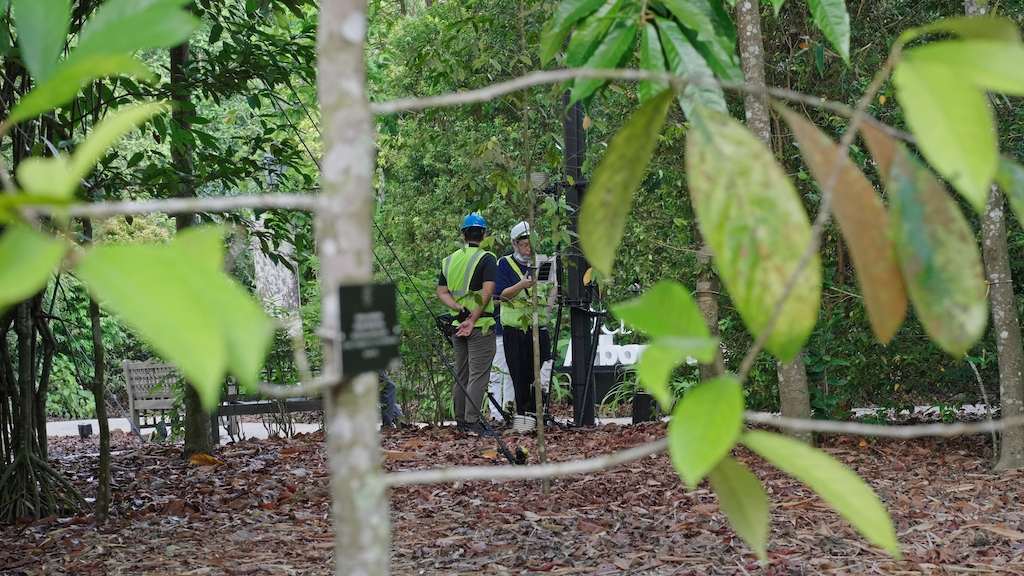
The Arboretum, a research garden where they monitor the trees with sensors to discover the optimum growth conditions to help conservation efforts.
Rambler’s Ridge
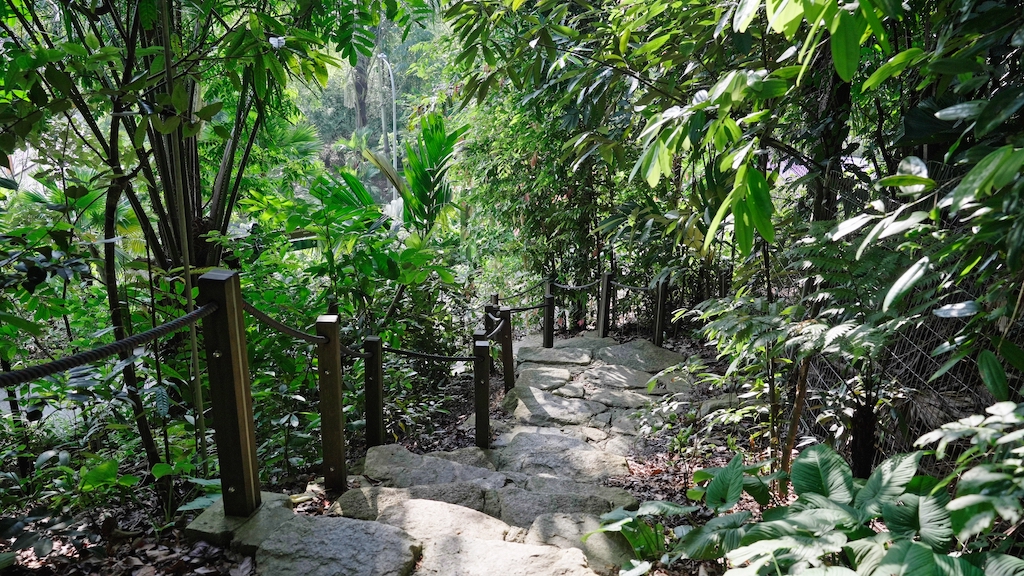

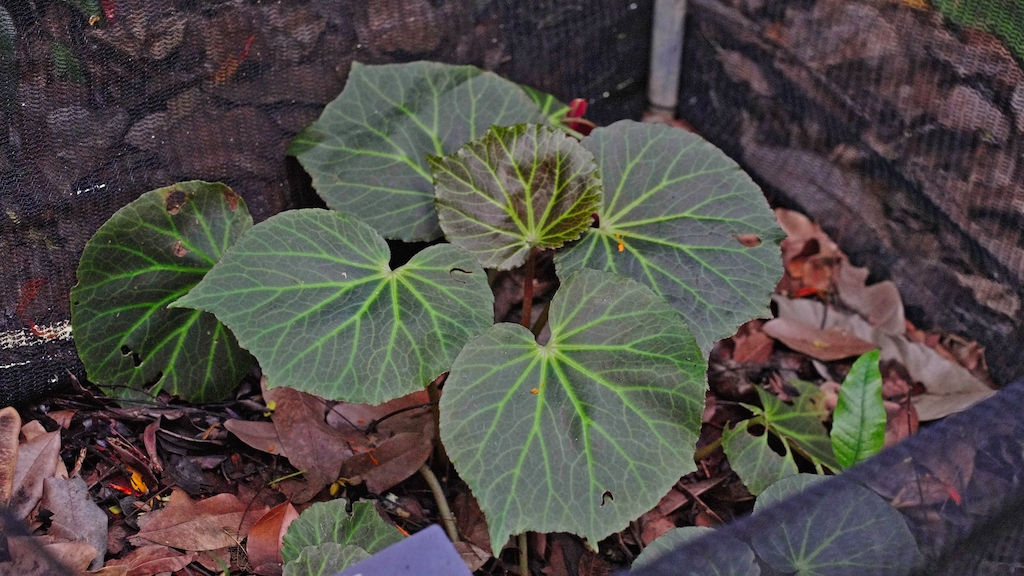
The rambler’s ridge, this area uniquely emulates harsh tropical slopes and displays the plants that evolved to thrive on it.
Overall, the Gallop extension offers a good mix of architectural elements in a beautiful garden. It’s a solid 4/5.
Learning Forest – 3.5/5
The learning forest is another large section outside the UNESCO area. The highlights here are the:
Bambusetum
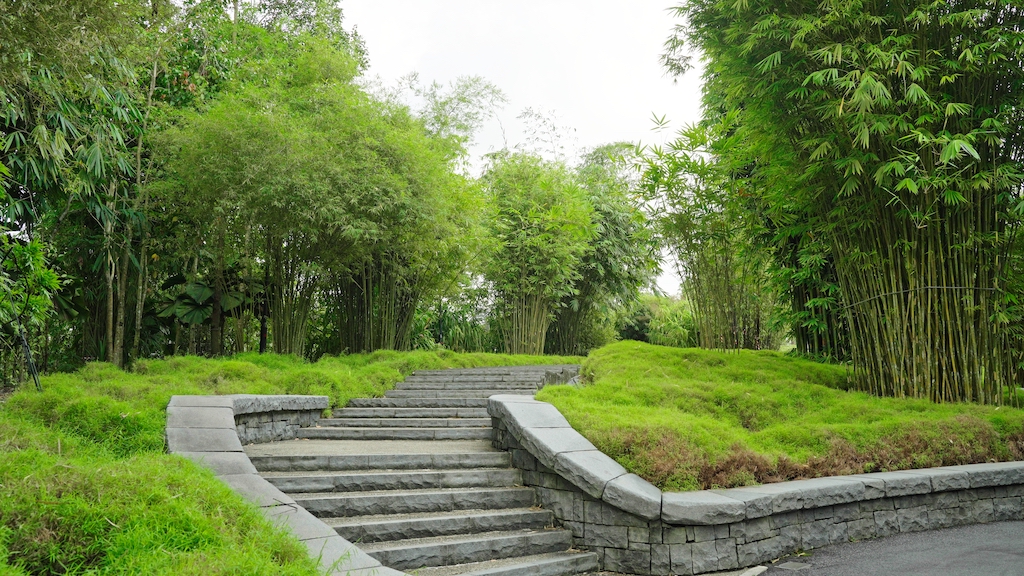
Where you can see different kinds of bamboos.
Walk of Giants
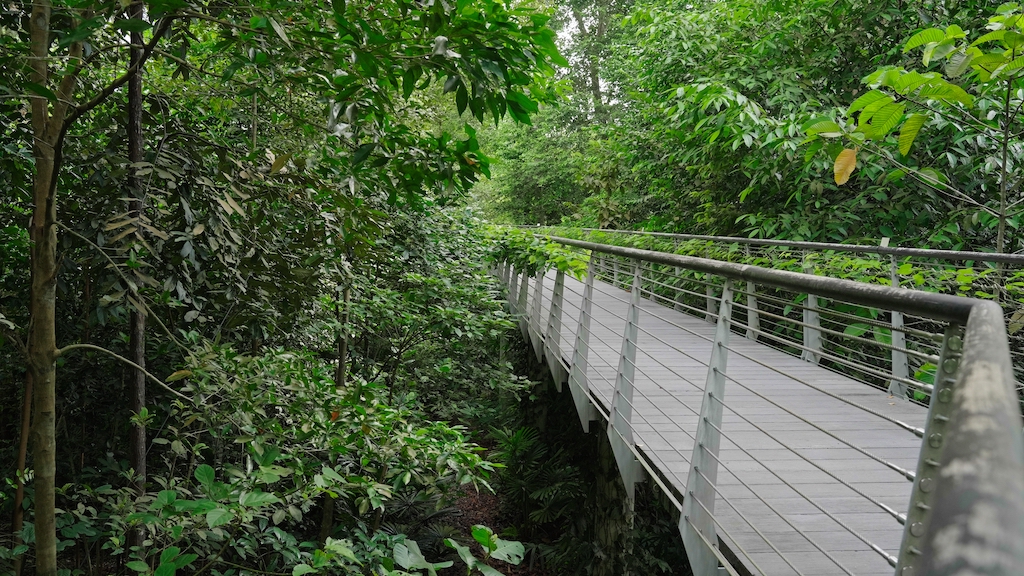
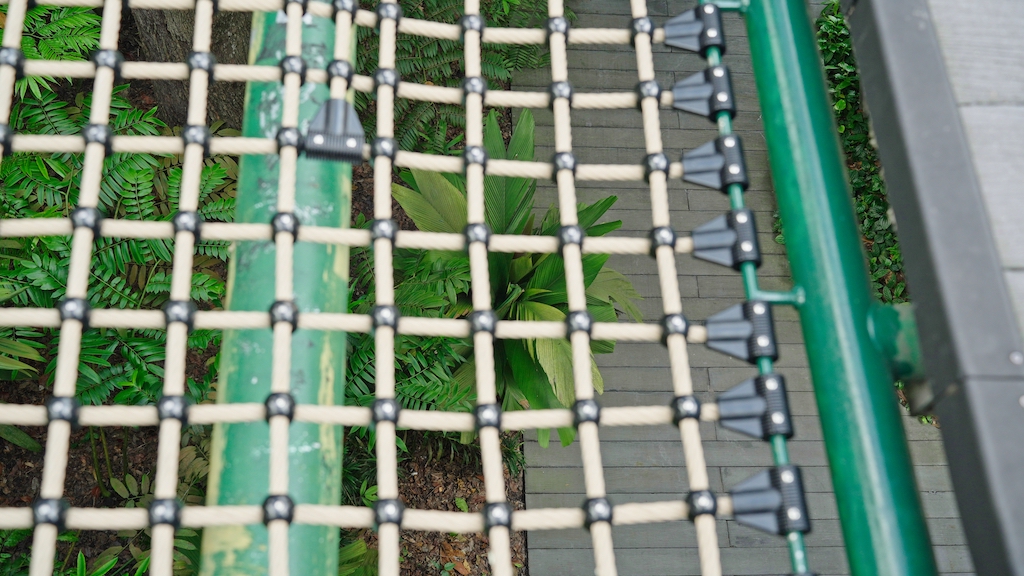
The walk of giants, where you get to climb up tall boardwalks near the canopy layer, giving you a unique vantage point of the forest from above.
Keppel Discovery Wetlands

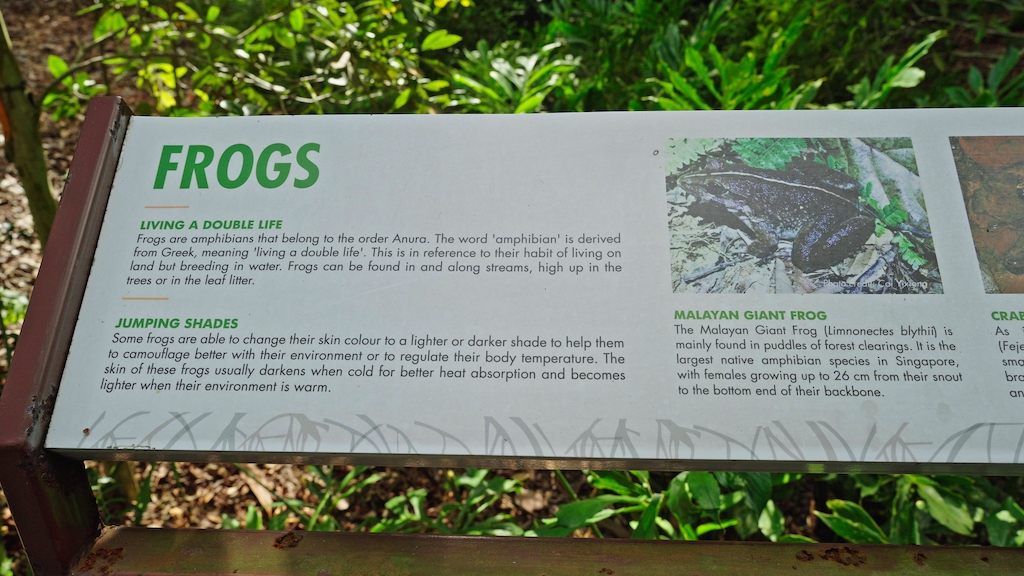
The Discovery Wetlands, where you can see the vast recreation of a freshwater swamp.
Overall, the Learning forest is quite atmospheric and engaging. I also enjoyed reading the educational signboards. I’ll give it a 3.5/5.
How to Get Here
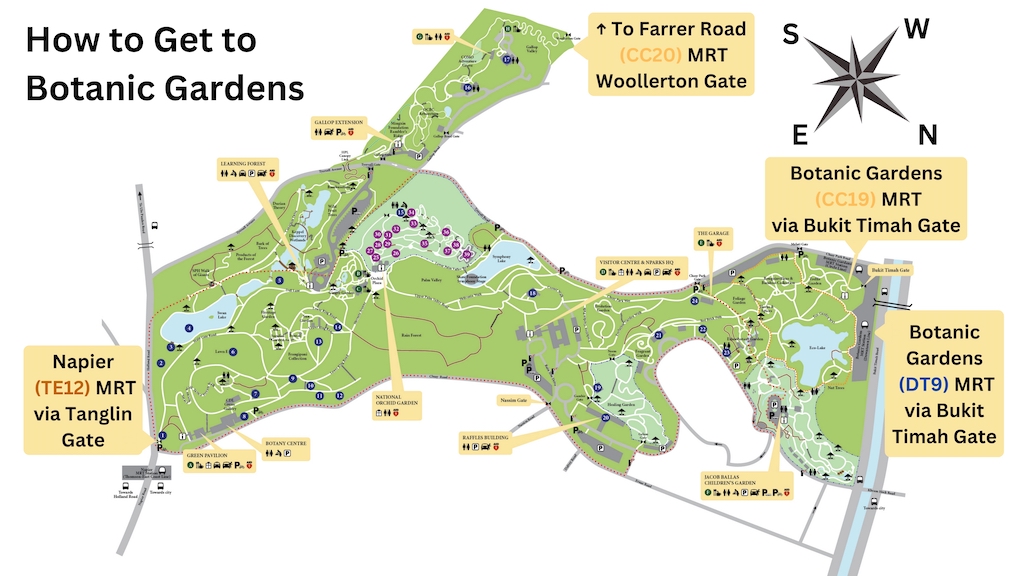
- There are many entrances into the garden, depending on where you want to explore; you should enter from the nearest gate.
- To get here by train, you can come here by Botanic Gardens station and enter via Bukit Timah Gate in the north, or the Napier station and enter via Tanglin Gate in the South. AND although not on the official map, you can also come by Farrer Road station and enter via Wollerton Gate in the West.
- To get here by bus, each of the MRT stations has a bus stop nearby.
- If you’re driving, there are several parking lots within the garden. For the specifics on how to get here, Google Maps usually works splendidly, so I will focus on sharing with you the BEST way to visit the Garden.
The Best Way to Visit
I’ve done the research and tested this route that will give you the best of the Garden. HOWEVER, it’s best to avoid STRESSING for directions. You want to be in the moment when you’re visiting. So to make navigating super easy, I will share the MAIN destinations and point out the TOP attractions nearby. You just have to follow the brown signboards for general directions.
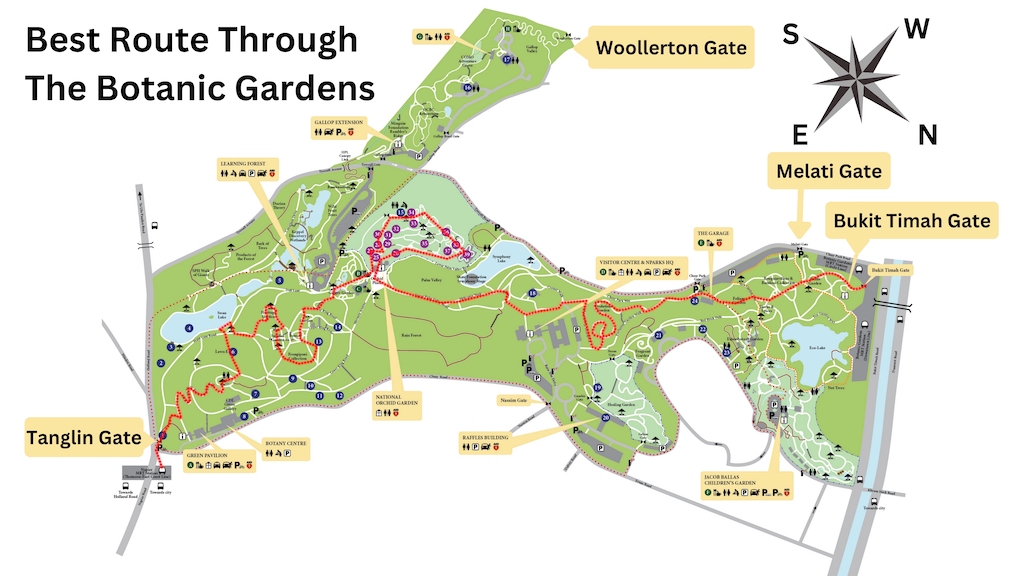
So here’s the route:
- First, take PUBLIC TRANSPORT and START from Tanglin Gate. The garden is very big, so to maximize your time, we’ll start here, visit the top attractions along the way, and end at Bukit Timah Gate.
- Once inside, prioritize taking the narrower roads while following the signboards towards the National Orchid Garden.
- This should lead you to a cluster of great attractions like the BANDSTAND, Heritage Garden, Sundial Garden, Sun Garden, Swan lake, and the ginger Garden.
- After enjoying all those parks, It’ll be good to take a good rest at the Orchid Plaza BEFORE making your way into the National Orchid Garden. I highly recommend visiting the Cool House, Mist House, and the Bromeliad Collection.
- When you exit the Orchid Garden, take a left towards the Palm Valley.
- Walk along the right side to catch the Heliconia Walk.
- From here on, head towards the Botanic Gardens Exit.
- Depending on your energy level, some attractions along the way out are the Evolution Garden, Ethnobotany Garden, Foliage Garden.
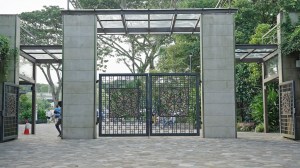
- After all that, exit at Bukit Timah Gate where you can take the train or bus.
BONUS Tips
Here are some bonus tips to make your visit even better:
Visit Earlier
First visit in the earlier or the later part of the day to avoid the super hot afternoon sun.
Bring Water Bottle
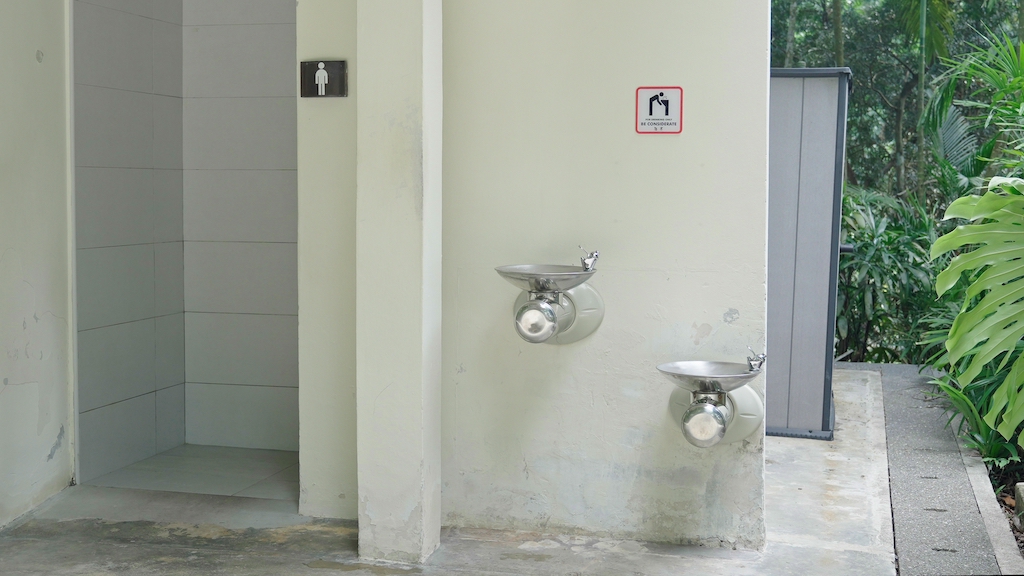
Bring a water bottle for drinking. It gets really hot here, so it’s essential to stay hydrated. Tap water is drinkable in Singapore, so you can refill it for FREE at toilets or at these water dispensers.
Bring Snacks
Bring some snacks to eat. Food in the cafes here can easily set you back 20 dollars, so bring snacks that can let you survive until you can eat somewhere else more affordable.
Take Your Time
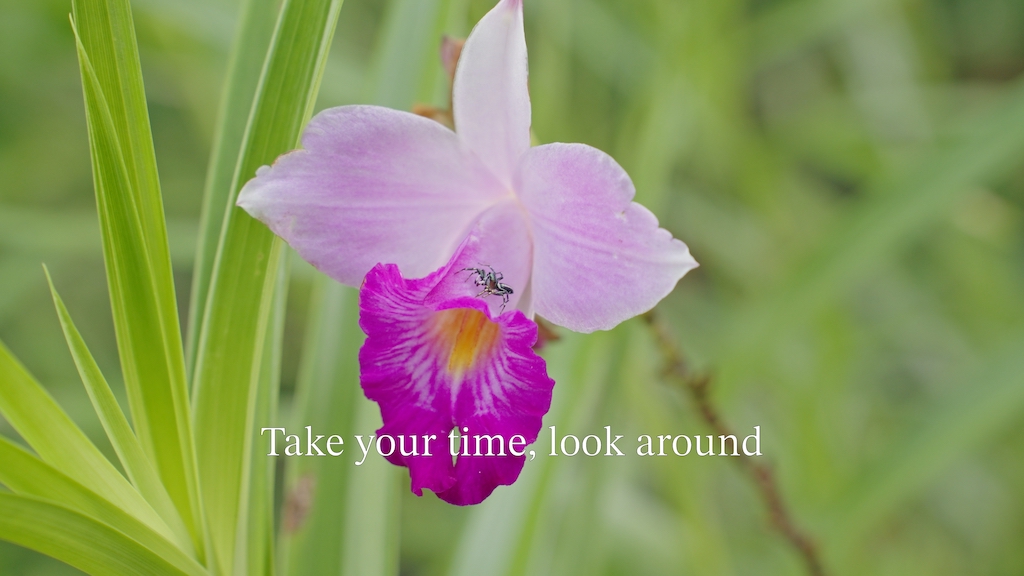
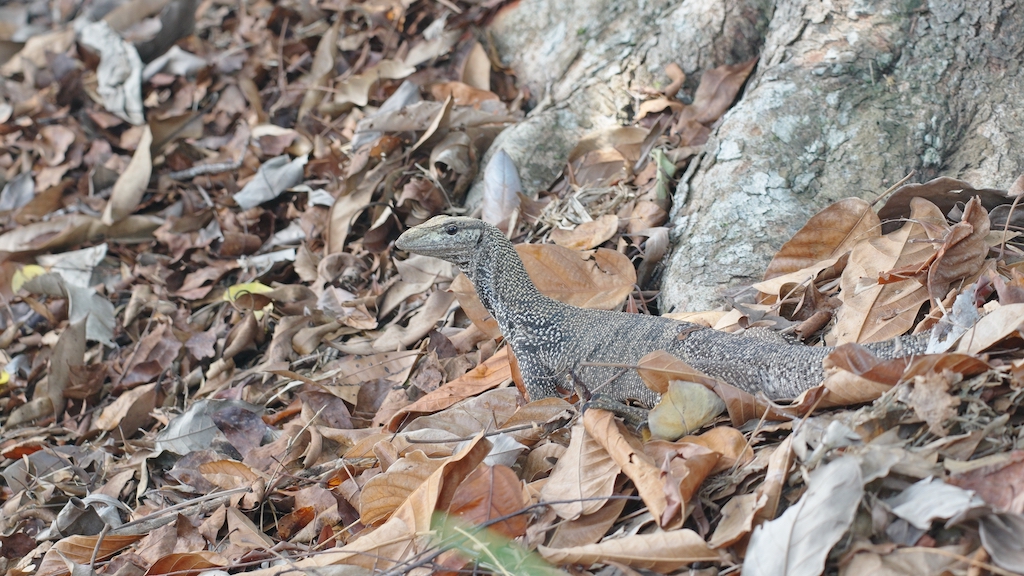
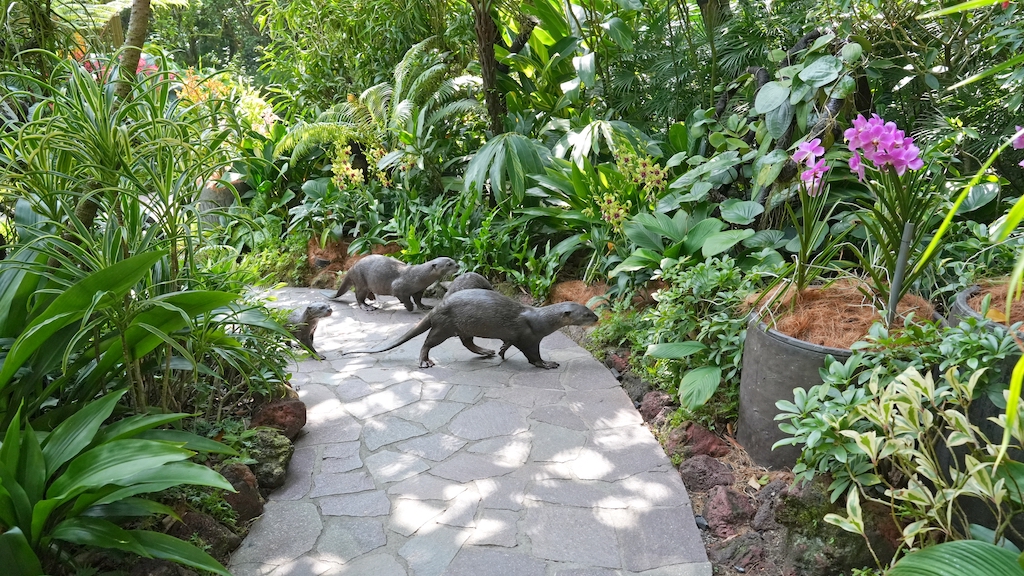
Last and most importantly, TAKE YOUR TIME. It’s a big garden with a lot to see. Take it slow while keeping your eyes open because there are more than just plants in this Botanical Garden. If you’re lucky and observant, you might meet the resident wildlife!
Conclusion
If you’re in Singapore, whether as a tourist or a resident, the Botanical Gardens is definitely a top-tier destination to consider. I hope this guide has helped you learn more about the garden.
If you’d love to explore more of nature in Singapore, check out my other nature guides.
Want to see a guide like this for another nature park or garden in Singapore? Leave a comment on this post, and I’ll see to it.
See you in the next adventure!
 Dashing Heights
One response to “The Ultimate Guide to The Botanical Gardens in Singapore”
[…] species and 2,000 hybrids of orchids11. It’s the best part of the gardens, with a 5/5 rating12. The garden is open every […]
LikeLike